Introduction
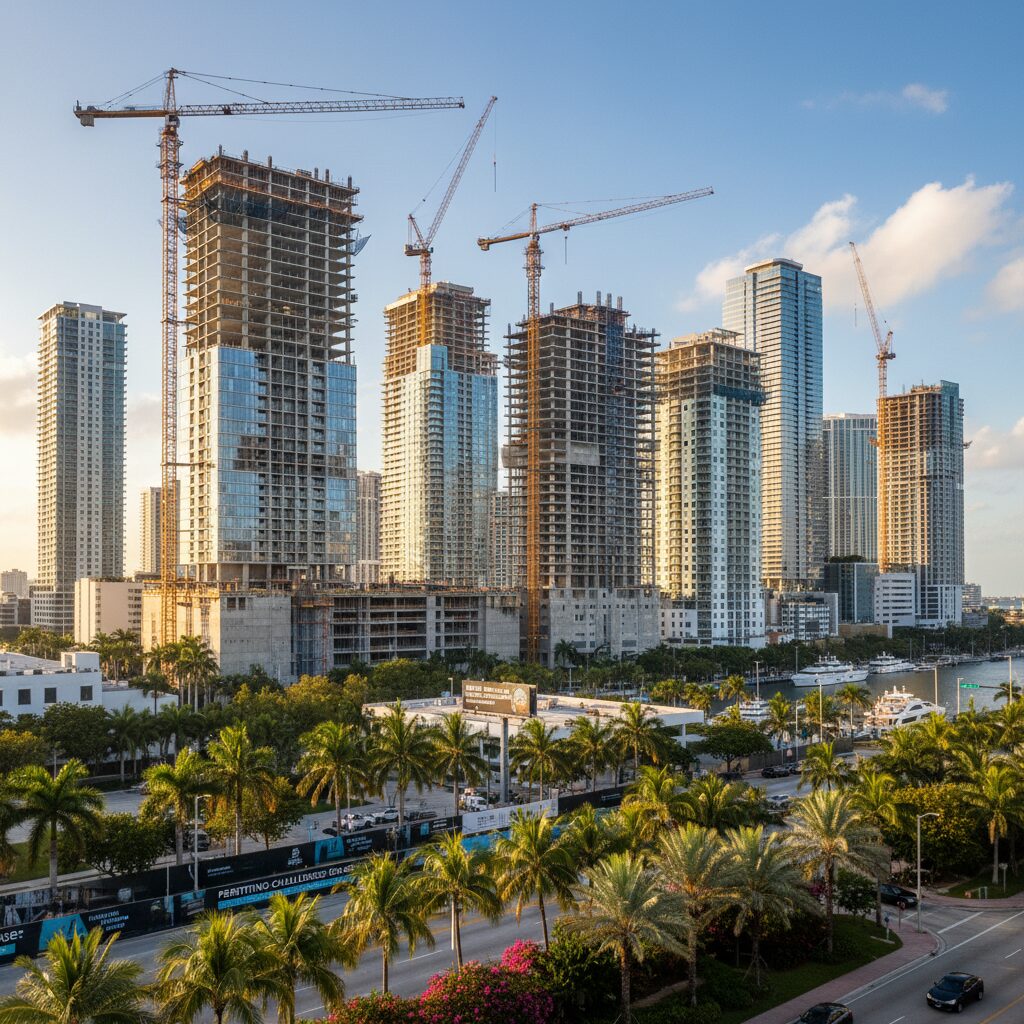
The Florida construction landscape is booming, particularly in vibrant areas like Miami, Broward, and Palm Beach. Yet, this growth brings challenges. Navigating the complexities of building codes, permitting processes, and inspections can be a major headache for developers, contractors, and property owners. Project timelines stretch, budgets balloon, and frustration mounts as stakeholders grapple with bureaucratic delays and unexpected hurdles. As we move into 2025, understanding these challenges and implementing proactive strategies is more critical than ever for success in the Sunshine State’s competitive construction market.
The 8th Edition (2023) of the Florida Building Code is now in effect as of December 31, 2023. Staying abreast of these changes is critical to avoiding delays and ensuring compliance. The rise of private providers offers a beacon of hope, promising streamlined processes and faster approvals. But are they the right fit for your project? This comprehensive guide dives deep into the world of Florida construction permitting in 2025, offering actionable insights, expert tips, and a clear roadmap for navigating the complexities and avoiding costly delays. Whether you’re a seasoned developer or embarking on your first construction venture, this article provides the knowledge and strategies you need to thrive.
This article will explore the current state of construction permitting in Florida, focusing on the unique challenges and opportunities present in 2025. We will analyze the root causes of permit delays, examine the impact of recent regulatory changes, and provide a detailed overview of how private providers can help expedite the process. Real-world examples, step-by-step solutions, and expert advice will empower you to make informed decisions, mitigate risks, and maximize your return on investment.
Florida Private Providers (FPP) stands at the forefront of this transformation, offering a comprehensive suite of services designed to streamline your permitting, plan review, and inspection processes. With a deep understanding of local regulations and a commitment to efficiency, FPP helps you navigate the complexities of the Florida construction landscape with confidence.
In this guide, we’ll explore:
- The primary pain points causing permit delays and inspection bottlenecks in Florida.
- Key updates to the Florida Building Code and their impact on your projects.
- How private providers like FPP can accelerate timelines and improve ROI.
- Expert tips for mitigating risks and ensuring code compliance.
Let’s dive in and discover how to navigate Florida’s construction permitting landscape successfully in 2025.
The Florida Construction Permitting Problem: Delays, Bottlenecks, and Inefficiencies
Obtaining the necessary permits and approvals for construction projects in Florida can often feel like navigating a labyrinth. Lengthy delays, bureaucratic bottlenecks, and general inefficiencies plague the system, resulting in increased costs, missed deadlines, and considerable frustration for all parties involved. Understanding the core issues is the first step toward finding effective solutions.
Common Causes of Permit Delays
Several factors contribute to the pervasive problem of permit delays in Florida. These include:
- Understaffed Municipalities: Local building departments often struggle with limited resources and staffing shortages, leading to backlogs in plan reviews and inspections.
- Complex and Evolving Regulations: The Florida Building Code is a complex and constantly evolving set of regulations. Keeping up with the latest changes and ensuring compliance can be a significant challenge.
- Incomplete or Inaccurate Applications: A significant number of permit applications are initially rejected due to errors, omissions, or lack of required documentation. This results in a time-consuming back-and-forth process between the applicant and the building department.
- Lack of Coordination: Poor communication and coordination between different agencies and departments involved in the permitting process can create bottlenecks and delays.
- Increased Construction Activity: The surge in construction projects, especially in high-growth areas like Miami and South Florida, has further strained the already overburdened permitting system.
The Impact of Delays on Project Timelines and Budgets
Permit delays can have a ripple effect throughout the entire construction project, significantly impacting timelines and budgets. Some of the most common consequences include:
- Increased Carrying Costs: Delays in obtaining permits can extend the project timeline, leading to higher interest payments on loans, increased insurance costs, and other carrying expenses.
- Material Price Escalation: Fluctuations in material prices can significantly impact project costs, especially when delays push the project beyond its original timeline.
- Labor Cost Overruns: Extended project timelines can result in increased labor costs due to overtime, idle time, and potential wage increases.
- Lost Revenue Opportunities: Delays in completing a project can postpone the realization of revenue, whether it’s rental income, sales proceeds, or business profits.
- Reputational Damage: Significant delays can damage a developer’s or contractor’s reputation, making it more difficult to secure future projects.
Specific Challenges in Miami, Broward, and Palm Beach Counties
While permit delays are a statewide issue, certain counties in South Florida face unique challenges due to their high population density, rapid growth, and complex regulatory environments. Miami-Dade, Broward, and Palm Beach counties are particularly affected.
- Miami-Dade County: Miami-Dade County is actively working to streamline its permitting processes through electronic plan submissions and online portals. However, high construction volume and a large backlog of applications continue to pose challenges.
- Broward County: Broward County is focused on improving communication and coordination between different departments involved in the permitting process. They are also exploring the use of technology to automate certain aspects of the process.
- Palm Beach County: Palm Beach County is working to address staffing shortages in its building department and is implementing strategies to improve the efficiency of plan reviews and inspections.
Navigating Florida’s Regulatory Landscape: Building Codes and Permitting Rules in 2025
Staying informed about the latest building codes and permitting regulations is crucial for ensuring compliance and avoiding costly delays. The Florida Building Code (FBC) is updated periodically, and understanding the changes is essential for all construction professionals. Additionally, various regulatory changes and recertification requirements can impact project timelines and budgets.
Key Updates to the Florida Building Code (FBC)
The Florida Building Code is updated every three years, with the latest edition being the 8th Edition (2023), which went into effect on December 31, 2023. Some of the key updates to the FBC include:
- Energy Efficiency: Enhanced energy efficiency requirements for new construction and renovations, including stricter insulation standards, improved window performance, and more efficient HVAC systems.
- Wind Resistance: Updated wind resistance standards to account for the latest research on hurricane risks and to improve the resilience of buildings in coastal areas.
- Accessibility: Revised accessibility requirements to ensure compliance with the Americans with Disabilities Act (ADA) and to provide equal access for people with disabilities.
- Fire Safety: Enhanced fire safety requirements for high-rise buildings, including improved fire suppression systems and stricter fire-resistant construction materials.
Understanding 40/50-Year Building Recertification
In Miami-Dade and Broward counties, buildings must undergo a recertification process once they reach 25 years of age, with subsequent inspections every 10 years. This process ensures that older buildings are structurally sound and safe for occupancy. The recertification process involves a thorough inspection by a qualified engineer or architect, who will assess the building’s structural integrity and identify any necessary repairs or renovations.
The Role of Private Providers in Ensuring Code Compliance
Private providers play a critical role in helping developers, contractors, and property owners navigate the complexities of the Florida Building Code and ensure compliance with all applicable regulations. Private providers offer a range of services, including plan reviews, inspections, and code consulting, providing expert guidance and support throughout the permitting process.
By partnering with a reputable private provider like Florida Private Providers (FPP), you can:
- Expedite the permitting process: Private providers can often complete plan reviews and inspections more quickly than municipal building departments, reducing delays and accelerating project timelines.
- Ensure code compliance: Private providers have in-depth knowledge of the Florida Building Code and can help you identify and address potential compliance issues early in the process, avoiding costly mistakes and rework.
- Reduce risk: By partnering with a qualified private provider, you can minimize the risk of construction defects, code violations, and other costly problems.
Streamlining Permitting and Maximizing ROI: How Private Providers Make a Difference
In the face of increasing construction demands and complex regulatory hurdles, private providers offer a powerful solution for streamlining the permitting process and maximizing your return on investment. Companies like Florida Private Providers (FPP) bring expertise, efficiency, and a client-focused approach to navigate the intricate world of Florida construction.
How Private Providers Accelerate the Permitting Process
Private providers offer several key advantages that contribute to faster permitting times:
- Faster Plan Reviews: Private providers often have dedicated teams and streamlined processes for conducting plan reviews, resulting in significantly faster turnaround times compared to municipal building departments.
- Flexible Inspection Scheduling: Private providers offer flexible inspection scheduling options, allowing you to coordinate inspections around your project’s specific needs and timelines.
- Direct Communication: Private providers offer direct communication channels, allowing you to easily reach your assigned plan reviewer or inspector and get quick answers to your questions.
- Proactive Problem Solving: Private providers take a proactive approach to problem-solving, identifying potential issues early in the process and working with you to find effective solutions.
Read more about the advantages of FPP.
Real-World Examples of ROI Improvement
The benefits of working with a private provider translate directly into improved ROI for your construction projects. Here are a few real-world examples:
- Reduced Carrying Costs: By accelerating the permitting process, private providers can help you reduce carrying costs, such as interest payments, insurance premiums, and property taxes.
- Faster Revenue Generation: Faster permitting means faster project completion, allowing you to start generating revenue sooner, whether it’s rental income, sales proceeds, or business profits.
- Mitigation of Costly Errors: Private providers can help you identify and correct potential code violations early in the process, avoiding costly rework and delays.
- Improved Project Quality: By ensuring code compliance and conducting thorough inspections, private providers can help you improve the overall quality of your construction projects.
Step-by-Step Guide to Working with a Private Provider
Here’s a step-by-step guide to working with a private provider like FPP:
- Initial Consultation: Contact FPP for an initial consultation to discuss your project’s specific needs and requirements.
- Proposal and Agreement: FPP will provide you with a detailed proposal outlining the scope of services, fees, and timelines. Once you approve the proposal, you’ll sign an agreement outlining the terms and conditions of the engagement.
- Plan Review: FPP will conduct a thorough review of your construction plans to ensure compliance with the Florida Building Code and other applicable regulations.
- Inspections: FPP will conduct all necessary inspections throughout the construction process, ensuring that the work is performed in accordance with the approved plans and code requirements.
- Permit Approval: Once all inspections are completed and the project is deemed to be in compliance, FPP will assist you in obtaining the final permit approval from the local building department.
To get started, explore FPP’s services.
Expert Tips and Resources for Florida Construction Projects
Navigating the Florida construction landscape requires more than just understanding the rules; it demands strategic planning, proactive risk mitigation, and access to reliable resources. Here are some expert tips and valuable resources to help you succeed:
Checklists for Avoiding Common Permitting Mistakes
Preventing errors in your permit application can save significant time and money. Use these checklists to ensure accuracy and completeness:
- Pre-Submission Checklist:
- Verify all required documents are included (site plan, architectural drawings, engineering calculations, etc.).
- Ensure all forms are filled out completely and accurately.
- Double-check all measurements, dimensions, and calculations.
- Confirm that all signatures are obtained from the appropriate parties.
- Code Compliance Checklist:
- Verify that the project complies with all applicable sections of the Florida Building Code.
- Ensure that all materials and products meet the required specifications.
- Confirm that all fire safety measures are in place and functioning properly.
- Verify that the project meets all accessibility requirements.
Strategies for Mitigating Construction Risks
Construction projects are inherently risky, but proactive risk management can minimize potential problems. Consider these strategies:
- Comprehensive Insurance Coverage: Ensure that you have adequate insurance coverage to protect against potential losses due to accidents, property damage, or liability claims.
- Detailed Contracts: Use clear and comprehensive contracts with all contractors, subcontractors, and suppliers, outlining the scope of work, payment terms, and responsibilities.
- Regular Site Inspections: Conduct regular site inspections to identify and address potential safety hazards, code violations, or quality control issues.
- Contingency Planning: Develop a contingency plan to address potential delays, cost overruns, or other unexpected challenges.
Leveraging Technology for Efficiency
Technology can play a significant role in streamlining the construction process and improving efficiency. Consider these tools and technologies:
- Building Information Modeling (BIM): BIM software allows you to create a virtual model of your project, enabling you to identify potential conflicts, optimize designs, and improve coordination.
- Project Management Software: Project management software can help you track project progress, manage budgets, and communicate with team members.
- Online Permitting Portals: Many municipalities offer online permitting portals that allow you to submit applications, track progress, and communicate with building department staff electronically.
For answers to common questions, visit the FPP FAQ page.
Conclusion
Navigating the Florida construction permitting landscape in 2025 requires a proactive, informed, and strategic approach. By understanding the challenges, staying up-to-date on regulatory changes, and leveraging the expertise of private providers like Florida Private Providers (FPP), you can streamline the permitting process, mitigate risks, and maximize your return on investment.
FPP offers a comprehensive suite of services designed to help you navigate the complexities of Florida construction, including plan reviews, inspections, and code consulting. With a commitment to efficiency, accuracy, and client satisfaction, FPP is your trusted partner for success in the Sunshine State’s competitive construction market.
Don’t let permit delays and regulatory hurdles derail your next project. Contact Florida Private Providers today to learn how we can help you achieve your construction goals with speed, efficiency, and confidence. Request a proposal today.