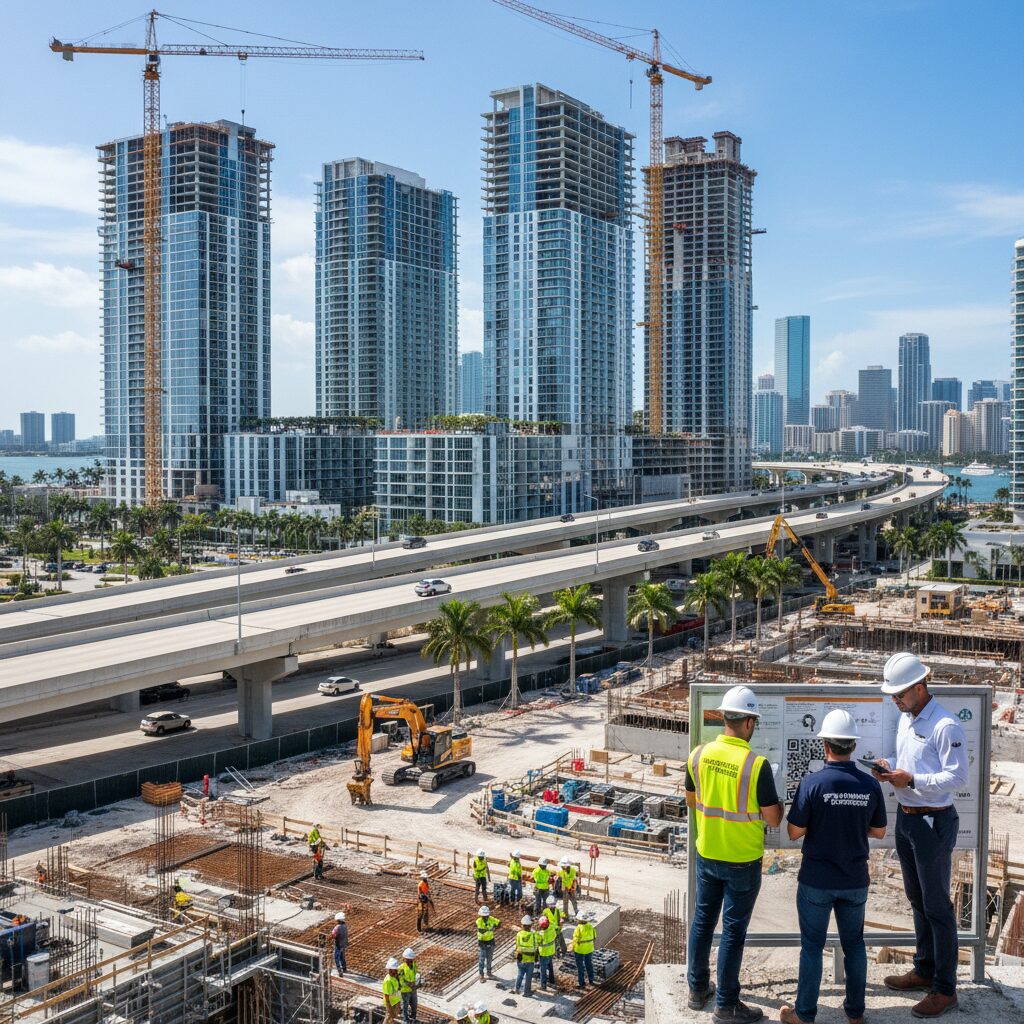
Florida’s construction industry is booming, but navigating the complex web of building codes, permits, and inspections can feel like wading through quicksand. As we move into 2025, developers, contractors, and property owners in Miami, South Florida, and statewide are facing increased pressure to deliver projects on time and within budget. The traditional permitting process, often plagued by delays and bureaucratic hurdles, can significantly impact project timelines and bottom lines. This is where private providers step in, offering a streamlined alternative that’s transforming how construction projects are approved and completed in the Sunshine State. In this comprehensive guide, we’ll explore the challenges of Florida’s construction permitting landscape, delve into the role of private providers, and provide actionable insights to help you expedite approvals, mitigate risks, and maximize your return on investment. Whether you’re a seasoned developer or a first-time property owner, understanding the benefits of private plan review and inspections is crucial for success in Florida’s dynamic construction market. Let’s dive in and uncover how you can leverage private providers to navigate the complexities of Florida construction permitting in 2025 and beyond.
The Florida Construction Permitting Maze: Delays, Bottlenecks, and Inefficiencies
The Sunshine State’s allure extends beyond its beaches and attractions; it’s a hotbed for construction and development. However, this vibrant activity often leads to congested municipal permitting offices and extended waiting periods. Understanding the pain points within the traditional system is the first step toward finding more efficient solutions. Let’s examine some of the most common challenges facing Florida’s construction industry:
Permit Delays: A Costly Reality
Time is money, especially in construction. Lengthy permit approval times can lead to project delays, increased labor costs, and missed deadlines. In Miami-Dade, Broward, and Palm Beach counties, these delays can be particularly pronounced due to high construction volume and complex regulatory requirements. Contractors often find themselves in a holding pattern, waiting for approvals before they can even break ground. These delays not only impact individual projects but also contribute to broader economic disruptions.
Inspection Bottlenecks: Slowing Down Progress
Even after securing a permit, the inspection process can present further challenges. Municipal inspection departments often face staffing shortages and backlogs, leading to scheduling delays. These bottlenecks can disrupt construction progress, forcing contractors to pause work and reallocate resources. Moreover, failed inspections can result in costly rework and further delays, exacerbating the initial timeline setbacks. Florida Private Providers offer comprehensive Services, ensuring projects stay on track with efficient and reliable inspections.
Navigating Complex Regulations
Florida’s building codes and regulations are constantly evolving, requiring contractors and developers to stay informed and adapt their practices accordingly. Understanding these regulations can be a daunting task, especially for those unfamiliar with the intricacies of the permitting process. Municipalities often have varying interpretations of the code, leading to confusion and potential compliance issues. Failing to adhere to these regulations can result in permit rejections, fines, and legal liabilities.
Lack of Transparency and Communication
One of the biggest frustrations with the traditional permitting process is the lack of transparency and communication. Contractors often struggle to obtain timely updates on the status of their permits, leading to uncertainty and anxiety. This lack of communication can hinder project planning and coordination, making it difficult to anticipate potential delays or issues. Clear and consistent communication is essential for maintaining project momentum and minimizing disruptions.
Decoding Florida’s Construction Regulations: Navigating the 2025 Landscape
Staying ahead of the curve in Florida’s construction industry requires a deep understanding of the state’s building codes, timelines, and regulatory changes. As we move into 2025, several key factors are shaping the permitting landscape. Let’s examine the critical aspects that contractors and developers need to be aware of:
Florida Building Code Updates: What’s New in 2025?
The Florida Building Code (FBC) is regularly updated to reflect advancements in construction technology, safety standards, and energy efficiency. These updates can impact various aspects of construction projects, from structural design to mechanical systems. Staying informed about the latest FBC revisions is crucial for ensuring compliance and avoiding costly rework. It is essential to consult with experts who can interpret and apply these changes effectively. Private providers often offer specialized services to help navigate these updates seamlessly.
Understanding Permitting Timelines: Setting Realistic Expectations
Permitting timelines vary depending on the complexity of the project, the municipality involved, and the current workload of the permitting department. It’s essential to set realistic expectations and factor in potential delays when planning your construction schedule. Researching average permitting times in specific counties and municipalities can provide valuable insights. Proactive planning and thorough documentation can also help expedite the process and minimize delays.
The Impact of 40/50-Year Recertification: Ensuring Structural Integrity
In Miami-Dade and Broward counties, buildings must undergo a 40/50-year recertification process to ensure their structural integrity and safety. This process involves a comprehensive inspection by a qualified engineer or architect, who assesses the building’s structural components and systems. Failing to comply with the recertification requirements can result in fines, legal action, and even building closures. Property owners and managers should proactively plan for this recertification to avoid potential disruptions and liabilities. For more information, refer to our FAQ page.
Regulatory Changes and Recertification Requirements: Staying Compliant
Florida’s construction industry is subject to ongoing regulatory changes, including updates to licensing requirements, inspection protocols, and environmental regulations. Staying informed about these changes is crucial for maintaining compliance and avoiding penalties. Professional associations and industry publications often provide updates on regulatory changes. Additionally, consider attending industry conferences and workshops to stay abreast of the latest developments.
Private Providers: Streamlining Permitting and Maximizing ROI
Private providers offer a valuable alternative to the traditional municipal permitting process, providing expedited plan review, inspection services, and code compliance assistance. By leveraging the expertise and efficiency of private providers, contractors and developers can streamline their projects, reduce delays, and maximize their return on investment. Let’s explore the key benefits of working with private providers like Florida Private Providers:
Expedited Plan Review: Accelerating the Approval Process
Private plan review offers a faster and more efficient alternative to municipal plan review, significantly reducing the time it takes to obtain permit approvals. Private providers have dedicated teams of experienced plan reviewers who can quickly assess construction plans and identify potential issues. This expedited review process can shave weeks or even months off the permitting timeline, allowing projects to move forward more quickly. The speed and efficiency of private plan review can be a game-changer for projects with tight deadlines or budget constraints.
Efficient Inspection Services: Keeping Projects on Track
Private inspection services provide timely and reliable inspections, minimizing delays and ensuring compliance with building codes. Private providers offer flexible scheduling options and can often accommodate inspection requests more quickly than municipal departments. This allows contractors to maintain their construction schedules and avoid costly downtime. Moreover, private inspectors often have specialized expertise in specific areas of construction, providing valuable insights and guidance.
Code Compliance Assistance: Navigating Complex Regulations
Private providers offer expert code compliance assistance, helping contractors and developers navigate the complexities of Florida’s building codes and regulations. These providers have a deep understanding of the FBC and can provide guidance on interpreting and applying code requirements. They can also assist with preparing permit applications, addressing code violations, and representing clients in meetings with municipal officials. This expertise can be invaluable for ensuring compliance and avoiding costly mistakes.
Reduced Delays and Cost Savings: Improving Project Outcomes
By streamlining the permitting and inspection processes, private providers help reduce delays and cost overruns, improving overall project outcomes. The time savings associated with private plan review and inspections can translate into significant cost savings for contractors and developers. Moreover, private providers can help minimize the risk of code violations and rework, further reducing project expenses. Ultimately, working with private providers can lead to more profitable and successful construction projects.
Maximizing ROI: The Financial Advantage of Private Providers
The financial benefits of using private providers extend beyond reduced delays and cost savings. By accelerating project timelines, private providers enable contractors and developers to generate revenue more quickly. This can significantly improve the return on investment for construction projects, making them more attractive to investors and lenders. Furthermore, private providers can help mitigate risks associated with permitting and inspections, protecting project investments from potential liabilities. Discover the FPP Advantages and how they can benefit your projects.
Expert Tips and Resources for Florida Construction Permitting
Navigating Florida’s construction permitting process can be challenging, but with the right knowledge and resources, you can streamline the process and minimize delays. Here are some expert tips and resources to help you succeed:
Engage Early with Permitting Professionals
Engage with permitting professionals, such as private providers, early in the project planning phase. This allows you to identify potential permitting challenges and develop strategies to address them proactively. Early engagement can also help you avoid costly design changes or rework later in the project. Working with experienced permitting professionals can provide valuable insights and guidance throughout the entire process.
Thorough Documentation and Preparation
Ensure that all permit applications are complete, accurate, and well-documented. This includes providing detailed construction plans, specifications, and supporting documentation. Incomplete or inaccurate applications can lead to delays and rejections. Take the time to review all documents carefully before submitting them to the permitting department. Thorough preparation can significantly improve the chances of a smooth and efficient permitting process.
Stay Informed About Code Updates and Regulations
Stay informed about the latest Florida Building Code updates and regulatory changes. Subscribe to industry newsletters, attend conferences and workshops, and consult with code experts to stay abreast of the latest developments. Understanding these updates is crucial for ensuring compliance and avoiding costly mistakes. Proactive knowledge management can help you stay ahead of the curve and minimize potential risks.
Develop a Risk Mitigation Plan
Develop a comprehensive risk mitigation plan to address potential permitting delays or issues. This plan should identify potential risks, assess their likelihood and impact, and outline strategies for mitigating them. A well-developed risk mitigation plan can help you minimize disruptions and keep your project on track, even in the face of unexpected challenges. Consider including contingency plans for potential delays or rejections.
Utilize Technology and Digital Tools
Utilize technology and digital tools to streamline the permitting process. Many municipalities offer online permitting portals that allow you to submit applications, track progress, and communicate with permitting staff electronically. These tools can significantly improve efficiency and transparency. Explore available digital resources and integrate them into your permitting workflow to optimize your processes.
Conclusion: Partnering for Success in Florida Construction
As Florida’s construction landscape continues to evolve, navigating the complexities of permitting and inspections requires a strategic approach. By understanding the challenges, staying informed about regulatory changes, and leveraging the expertise of private providers like Florida Private Providers, you can streamline your projects, reduce delays, and maximize your return on investment. Private providers offer a valuable alternative to the traditional municipal process, providing expedited plan review, efficient inspections, and code compliance assistance. Whether you’re a developer, contractor, or property owner, partnering with a reputable private provider can be a game-changer for your construction projects. Contact Florida Private Providers today to discover how we can help you navigate the complexities of Florida construction permitting and achieve your project goals. Request a Proposal Request and experience the difference.