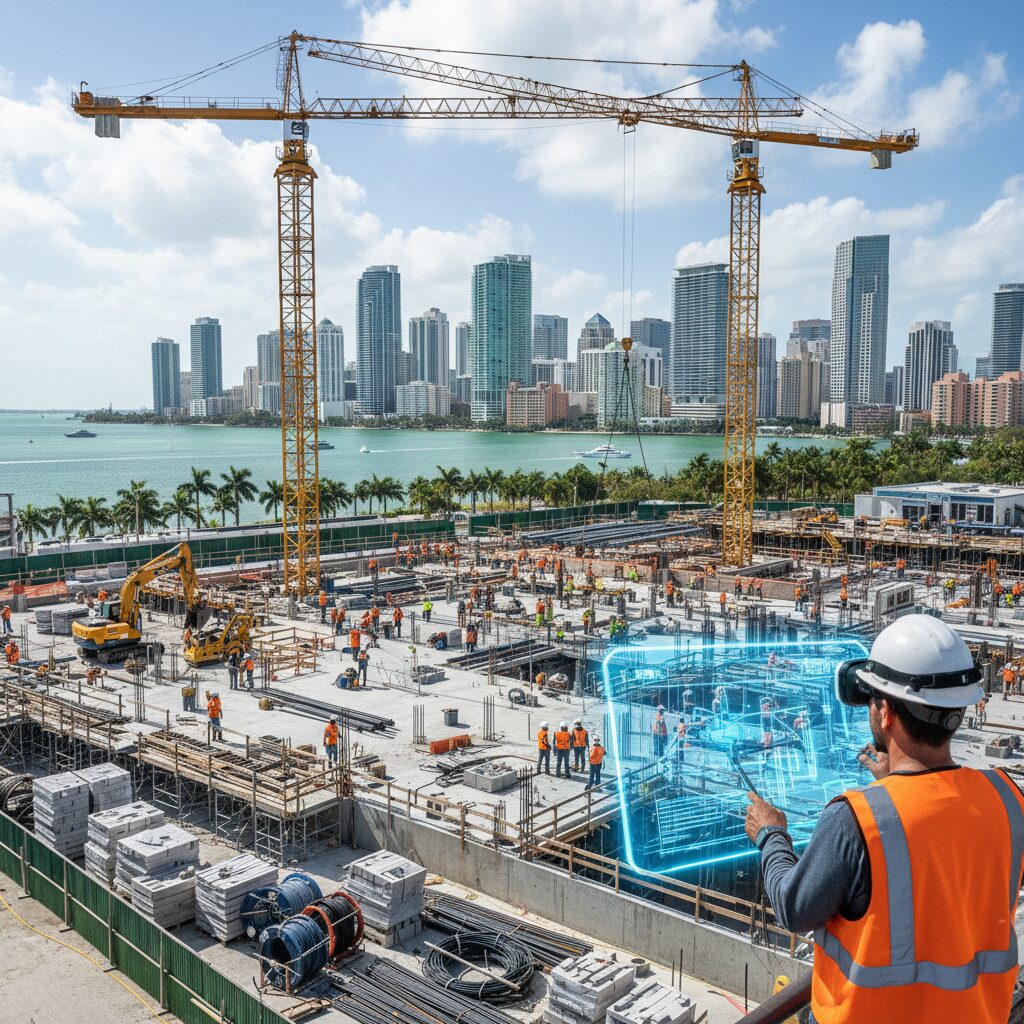
Introduction: The Evolving Landscape of Florida Construction in 2025
The Florida construction industry is booming, particularly in vibrant areas like Miami, South Florida, and the coastal communities. However, this growth comes with increasing complexities in permitting, inspections, and code compliance. As we move into 2025, developers, contractors, and property owners face mounting pressure to navigate these challenges efficiently and cost-effectively.
Traditional municipal permitting processes often lead to significant delays, impacting project timelines and budgets. These delays can stem from understaffed departments, complex regulatory requirements, and the sheer volume of construction activity across the state. This is where private providers like Florida Private Providers (FPP) play a crucial role. By offering streamlined plan reviews, permitting assistance, and inspection services, FPP helps projects stay on track, reduce costs, and ensure compliance with the latest Florida Building Code.
The Sunshine State’s unique environment and rapid development necessitate a keen understanding of local regulations and construction practices. From hurricane-resistant building designs to stringent environmental protections, Florida’s construction landscape demands expertise and precision. As such, choosing the right partner for plan review, permitting and inspections is critical for success.
This article explores the critical challenges facing Florida’s construction industry in 2025, focusing on the growing importance of private providers in mitigating risks, expediting approvals, and maximizing ROI. We’ll delve into specific pain points, regulatory updates, and step-by-step solutions to help you navigate the complexities of Florida construction permitting and inspections.
Learn how FPP’s advantages such as speed, efficiency, and local expertise can make a significant difference in your project’s success. Contact FPP today to learn more: Contact
The Problem: Permit Delays, Inspection Bottlenecks, and Inefficiencies
Construction projects in Florida often face numerous hurdles, with permit delays and inspection bottlenecks being primary concerns. These issues not only disrupt project timelines but also lead to increased costs and potential revenue loss.
Common Causes of Permit Delays:
- Understaffed Municipal Departments: Many local government agencies are struggling to keep up with the volume of permit applications, leading to backlogs and extended review times.
- Complex Regulatory Requirements: The Florida Building Code is comprehensive and constantly evolving. Navigating these regulations can be challenging, especially for those unfamiliar with the intricacies of local amendments.
- Incomplete or Incorrect Applications: Errors or omissions in permit applications are a common cause of delays. Ensuring that all documentation is accurate and complete from the outset is crucial.
- Lack of Coordination: Projects often require approvals from multiple departments or agencies, leading to coordination challenges and potential delays.
Inspection Bottlenecks:
- Limited Availability of Inspectors: Municipal inspection departments may have a limited number of inspectors, leading to scheduling conflicts and delays.
- Stringent Inspection Requirements: Florida’s building codes mandate thorough inspections at various stages of construction, which can be time-consuming.
- Failed Inspections: If a project fails an inspection, it can lead to costly rework and further delays.
Impact on Project Timelines and Budgets:
Delays in permitting and inspections can have a significant impact on project timelines and budgets. These delays can lead to:
- Increased Construction Costs: Extended project timelines often result in higher labor and material costs.
- Lost Revenue: Delays in project completion can postpone revenue generation, impacting profitability.
- Damaged Reputation: Project delays can damage a developer’s or contractor’s reputation, making it more difficult to secure future projects.
The Role of Private Providers:
Private providers like FPP offer a solution to these challenges by providing efficient plan review, permitting assistance, and inspection services. By leveraging their expertise and resources, projects can avoid costly delays and stay on track.
For more information about the advantages of using FPP, visit: FPP Advantages
Legal and Regulatory Insights: Navigating Florida’s Building Codes in 2025
Staying up-to-date with the latest legal and regulatory changes is crucial for success in Florida’s construction industry. The Florida Building Code is regularly updated to reflect advancements in construction technology, safety standards, and environmental concerns. As we move into 2025, several key regulatory changes and updates are expected to impact permitting and inspection processes.
Florida Building Code Updates:
The Florida Building Code is updated every three years, with the latest edition being the 8th Edition (2023), which took effect on December 31, 2023. These updates often include changes to:
- Energy Efficiency Standards: Requirements for energy-efficient building designs and materials.
- Hurricane Resistance: Standards for building resilience to withstand hurricane-force winds.
- Accessibility Requirements: Guidelines for ensuring that buildings are accessible to people with disabilities.
- Fire Safety Standards: Regulations for fire prevention and suppression systems.
Staying informed about these updates is essential for ensuring that projects comply with the latest requirements.
40/50-Year Recertification Requirements:
In Florida, buildings must undergo recertification inspections at 40 years (for buildings east of the Intracoastal Waterway) and 50 years (for buildings west of the Intracoastal Waterway). These inspections are designed to ensure the structural integrity and safety of older buildings. Recent regulatory changes, influenced by events such as the Surfside condominium collapse, have increased scrutiny on these recertification processes.
Key Considerations for 2025:
- Increased Enforcement: Local governments are expected to increase enforcement of building code regulations, particularly in high-growth areas like Miami-Dade, Broward, and Palm Beach counties.
- Stricter Inspection Protocols: Inspection protocols are becoming more rigorous, with a greater emphasis on documentation and quality control.
- Focus on Resiliency: Given Florida’s vulnerability to hurricanes and other natural disasters, there is a growing focus on building resilient structures that can withstand these events.
Navigating Regulatory Complexity:
Navigating Florida’s complex regulatory landscape can be challenging. Private providers like FPP offer the expertise and resources needed to ensure compliance and avoid costly mistakes.
Step-by-Step Solutions: How Private Providers Streamline the Process and Maximize ROI
Private providers like Florida Private Providers (FPP) offer a range of services designed to streamline the permitting and inspection process, reduce delays, and maximize ROI for construction projects in Florida. Here’s a step-by-step breakdown of how FPP can help:
1. Plan Review:
FPP’s team of experienced plan reviewers can quickly and efficiently review construction plans to ensure compliance with the Florida Building Code and local regulations. This includes:
- Code Compliance Review: Verifying that plans meet all applicable code requirements.
- Constructability Review: Identifying potential constructability issues and offering solutions.
- Value Engineering: Suggesting cost-saving measures without compromising quality or safety.
2. Permitting Assistance:
FPP can assist with the permit application process, ensuring that all required documentation is complete and accurate. This includes:
- Application Preparation: Preparing and submitting permit applications on behalf of clients.
- Liaison with Municipalities: Communicating with local government agencies to expedite the review process.
- Permit Tracking: Monitoring the status of permit applications and providing updates to clients.
3. Inspections:
FPP offers a full range of inspection services, including:
- Pre-Construction Inspections: Ensuring that the site is properly prepared for construction.
- Progress Inspections: Monitoring construction progress and verifying compliance with approved plans.
- Final Inspections: Conducting final inspections to ensure that the project meets all code requirements.
4. Risk Mitigation:
By identifying potential issues early in the process, FPP helps mitigate risks and avoid costly rework. This includes:
- Code Compliance Audits: Conducting audits to identify potential code violations.
- Quality Control Inspections: Monitoring construction quality to prevent defects.
- Safety Inspections: Ensuring that the construction site is safe for workers and the public.
5. ROI Improvement:
By streamlining the permitting and inspection process, FPP helps projects stay on track and avoid costly delays, ultimately improving ROI. This includes:
- Reduced Project Timelines: Expediting the permitting and inspection process to shorten project timelines.
- Lower Construction Costs: Avoiding costly rework and delays to reduce construction costs.
- Increased Revenue: Completing projects on time to generate revenue sooner.
Do you have questions about Florida Private Providers? Find answers here: FAQ
Expert Tips and Resources for Florida Construction Projects
To ensure the success of your construction projects in Florida, consider these expert tips and resources:
1. Conduct Thorough Due Diligence:
Before starting any construction project, conduct thorough due diligence to identify potential risks and challenges. This includes:
- Site Assessments: Evaluating the site for potential environmental or geotechnical issues.
- Code Research: Researching applicable building codes and regulations.
- Permitting Requirements: Understanding the permitting requirements for the project.
2. Develop a Detailed Project Plan:
Create a detailed project plan that outlines all aspects of the project, including:
- Project Scope: Defining the scope of the project and setting clear goals.
- Timeline: Establishing a realistic timeline for project completion.
- Budget: Developing a detailed budget that includes all costs associated with the project.
3. Hire Experienced Professionals:
Work with experienced professionals who have a proven track record of success in Florida construction. This includes:
- Architects: Hiring qualified architects to design the project.
- Engineers: Engaging experienced engineers to ensure structural integrity.
- Contractors: Selecting reputable contractors with a history of quality workmanship.
4. Stay Informed About Regulatory Changes:
Keep up-to-date with the latest regulatory changes and updates to the Florida Building Code. This includes:
- Attending Industry Events: Participating in industry events to learn about new regulations and best practices.
- Subscribing to Industry Publications: Reading industry publications to stay informed about the latest trends and developments.
- Consulting with Experts: Consulting with experts to understand the implications of regulatory changes.
5. Utilize Technology:
Leverage technology to streamline the permitting and inspection process. This includes:
- Online Permitting Portals: Using online permitting portals to submit applications and track progress.
- Building Information Modeling (BIM): Utilizing BIM software to create detailed 3D models of the project.
- Mobile Inspection Apps: Using mobile inspection apps to conduct inspections and generate reports.
If you are ready to submit a proposal request, visit: Proposal Request
Conclusion: Partnering with Florida Private Providers for Success in 2025
As Florida’s construction industry continues to evolve, navigating the complexities of permitting, inspections, and code compliance will become increasingly challenging. Private providers like Florida Private Providers (FPP) offer a valuable solution by providing streamlined plan review, permitting assistance, and inspection services.
By partnering with FPP, developers, contractors, and property owners can:
- Reduce Project Delays: Expedite the permitting and inspection process to keep projects on track.
- Lower Construction Costs: Avoid costly rework and delays to reduce construction costs.
- Maximize ROI: Complete projects on time and generate revenue sooner.
- Ensure Compliance: Stay up-to-date with the latest regulatory changes and ensure compliance with the Florida Building Code.
With their expertise, resources, and commitment to client satisfaction, FPP is well-positioned to help you achieve success in Florida’s dynamic construction market. Contact Florida Private Providers today to learn more about how they can help you streamline your permitting and inspection process and maximize your ROI.