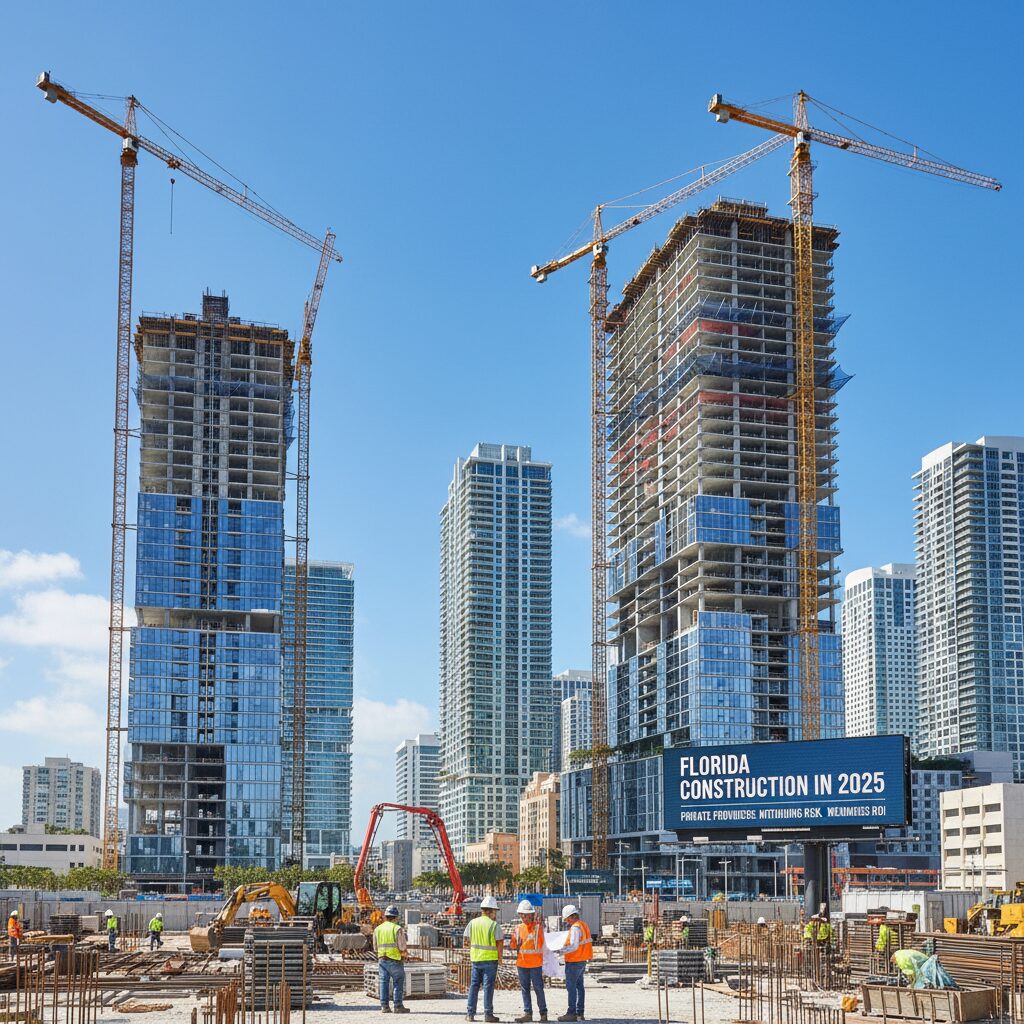
Florida’s construction landscape is a dynamic arena, especially as we move into 2025. Developers, contractors, and property owners face a complex web of building codes, permitting processes, and inspection requirements. The Sunshine State’s rapid growth, coupled with evolving regulations, creates both opportunities and challenges. Successfully navigating this environment requires strategic foresight and a commitment to efficiency. As municipal resources often struggle to keep pace with demand, the role of private providers in plan review, permitting, and inspections becomes increasingly critical. These firms offer specialized expertise and streamlined processes that can significantly impact project timelines, budgets, and overall success. This article explores the key issues facing Florida’s construction industry in 2025 and provides actionable strategies for mitigating risks and maximizing return on investment, with a particular focus on the value that private providers bring to the table.
The Perfect Storm: Challenges Facing Florida Construction in 2025
Several factors converge to create a challenging environment for construction projects in Florida. Understanding these issues is the first step toward developing effective solutions.
Permit Delays and Bureaucratic Bottlenecks
One of the most significant hurdles is the persistent issue of permit delays. Municipal building departments, often understaffed and overwhelmed, struggle to process permit applications in a timely manner. This can lead to significant project delays, increased costs, and missed deadlines. The situation is particularly acute in high-growth areas like Miami-Dade, Broward, and Palm Beach counties, where the demand for new construction and renovations far outstrips the available resources. Recent changes aimed at streamlining permit processing in these counties have had limited impact, with many developers still experiencing lengthy delays.
Inspection Bottlenecks and Scheduling Conflicts
Even after permits are approved, securing timely inspections can be another source of frustration. Municipal inspectors often have heavy workloads and limited availability, leading to scheduling conflicts and further delays. This can be particularly problematic for projects with tight deadlines or those requiring multiple inspections at different stages of construction. The delays can result in costly rework and potentially jeopardize project timelines.
Evolving Building Codes and Regulatory Complexity
The Florida Building Code is constantly evolving, with new editions and amendments being released on a regular basis. Staying up-to-date with these changes can be a challenge, especially for smaller contractors and developers. Failure to comply with the latest code requirements can result in costly rework, fines, and even project shutdowns. Moreover, the regulatory landscape is further complicated by local ordinances and regulations that vary from city to city and county to county.
Material Costs and Supply Chain Disruptions
The construction industry has been significantly impacted by rising material costs and supply chain disruptions in recent years. These factors can make it difficult to accurately estimate project costs and can lead to budget overruns. While some supply chain issues have eased, volatility remains a concern, and contractors need to be prepared to adapt to changing market conditions. The rising costs of labor are also contributing to overall project expenses.
Decoding the Regulatory Maze: Florida Building Code Updates for 2025
Navigating Florida’s regulatory landscape requires a deep understanding of the Florida Building Code and its implications for construction projects. Several key updates and changes are coming into effect in 2025, impacting permitting and inspection processes.
Understanding the 8th Edition (2023) of the Florida Building Code
The 8th Edition (2023) of the Florida Building Code went into effect on December 31, 2023. All projects permitted after this date must comply with the new code requirements. It’s crucial to understand the key changes and updates in this edition, including those related to structural design, energy efficiency, and fire safety. Significant changes often involve wind load requirements, especially in coastal areas like Miami, Fort Lauderdale, and West Palm Beach. Ensure your team is trained and equipped to meet these requirements.
Impact of House Bill 683 on Construction Regulations
House Bill 683, enacted as Chapter 2025-140, Laws of Florida, brings changes to construction regulations effective July 1, 2025. While the specifics require careful review of the legislation, staying informed about such regulatory shifts is vital for compliance and strategic planning. It is essential to consult legal experts to fully understand the implications of this bill for your projects.
40-Year and 50-Year Building Recertification Programs
Florida’s 40-year and 50-year building recertification programs are designed to ensure the structural integrity of older buildings. These programs require building owners to conduct comprehensive inspections and make any necessary repairs to bring their buildings up to current code standards. The recertification process can be complex and time-consuming, and it’s essential to start planning well in advance to avoid potential delays and penalties. Municipalities like Miami-Dade County have strict enforcement of these recertification requirements.
Local Amendments and Variations in South Florida
In addition to the statewide building code, many cities and counties in South Florida have their own local amendments and variations. These local requirements can add another layer of complexity to the permitting and inspection process. It’s crucial to research the specific requirements for your project location and ensure that your plans comply with all applicable regulations. For example, Miami may have different requirements than Fort Lauderdale or West Palm Beach.
Private Providers: Your Partners in Efficiency and ROI
Given the challenges outlined above, partnering with a private provider like Florida Private Providers (FPP) can be a strategic move to streamline your construction projects and maximize your return on investment. Private providers offer a range of services that can help you navigate the complex permitting and inspection process more efficiently.
Expedited Plan Review and Permitting
Private providers can expedite the plan review and permitting process by providing a dedicated team of experts who are familiar with the Florida Building Code and local regulations. They can review your plans quickly and efficiently, identify any potential issues, and work with you to resolve them before submitting your application to the municipal building department. This can save you significant time and money by avoiding costly delays and rework.
Timely and Reliable Inspections
Private providers can also provide timely and reliable inspections, ensuring that your project stays on schedule. They have a team of qualified inspectors who are available to conduct inspections when you need them, without the scheduling conflicts and delays that can occur with municipal inspectors. This can help you avoid costly delays and ensure that your project is completed on time and within budget.
Expert Code Consulting and Compliance Assistance
Private providers can offer expert code consulting and compliance assistance, helping you navigate the complex regulatory landscape and ensure that your project complies with all applicable codes and regulations. They can provide guidance on the latest code requirements, help you interpret complex code provisions, and assist you in preparing your permit application and construction documents. This can help you avoid costly mistakes and ensure that your project is built to code.
Risk Mitigation and Cost Savings
By partnering with a private provider, you can mitigate risks and achieve significant cost savings on your construction projects. Expedited plan review and permitting can reduce project delays and associated costs. Timely and reliable inspections can prevent costly rework and ensure that your project is completed on time and within budget. Expert code consulting and compliance assistance can help you avoid costly mistakes and ensure that your project is built to code. Ultimately, this translates to a higher return on investment for your projects.
The FPP Advantage: Speed, Efficiency, and Results
Florida Private Providers (FPP) stands out as a premier provider of private plan review, permitting, and inspection services in Florida. We offer a comprehensive suite of services designed to streamline your construction projects and maximize your ROI. Our team of experienced professionals is dedicated to providing you with the highest level of service and expertise. With FPP, you can expect speed, efficiency, and results.
Consider these advantages of working with FPP:
- Faster permit approvals
- Reduced project delays
- Improved code compliance
- Enhanced risk mitigation
- Increased ROI
Real-World Impact: Case Studies from South Florida
To illustrate the value of private providers, let’s examine a few case studies from Miami, Broward, and Palm Beach counties.
Miami-Dade Commercial Project: Accelerating a Hotel Renovation
A hotel in Miami-Dade County was undergoing a major renovation to meet updated brand standards. The project faced significant delays due to slow permit processing by the municipal building department. By engaging FPP for private plan review and permitting, the hotel was able to cut the permit approval time by several weeks, allowing them to complete the renovation on schedule and minimize revenue loss. The expedited services ensured the hotel met its deadlines.
Broward County Residential Development: Streamlining Inspections for a Condo Complex
A developer in Broward County was building a new condo complex. The project was experiencing inspection bottlenecks due to the limited availability of municipal inspectors. By partnering with FPP for private inspections, the developer was able to ensure that inspections were conducted promptly and efficiently, keeping the project on track and avoiding costly delays. FPP’s inspection services were crucial for keeping the project on schedule.
Palm Beach County Industrial Facility: Ensuring Code Compliance and Safety
An industrial facility in Palm Beach County needed to make significant upgrades to meet new fire safety codes. The project required extensive code consulting and compliance assistance. By engaging FPP, the facility was able to navigate the complex code requirements and ensure that all upgrades were completed in accordance with the latest standards. This helped them avoid potential fines and ensure the safety of their employees and customers.
Expert Tips and Resources for Florida Construction Professionals
Here are some expert tips and resources to help you navigate the Florida construction landscape in 2025:
Stay Updated on Code Changes and Regulations
Subscribe to industry publications, attend training seminars, and consult with code experts to stay informed about the latest changes to the Florida Building Code and local regulations. Knowledge is power when it comes to compliance.
Develop a Comprehensive Permitting Strategy
Create a detailed permitting strategy that outlines the steps required to obtain all necessary permits for your project. This strategy should include a timeline, budget, and list of responsible parties. A well-defined strategy can help you avoid delays and ensure that your project stays on track.
Conduct Thorough Due Diligence
Before starting any construction project, conduct thorough due diligence to identify any potential risks or challenges. This should include a review of the property’s zoning, environmental conditions, and any existing building code violations. Addressing potential issues early on can save you time and money in the long run.
Build Strong Relationships with Local Officials
Establish positive relationships with local building officials and inspectors. This can help you navigate the permitting and inspection process more smoothly and resolve any issues that may arise. Open communication and collaboration are key.
Consider a Pre-Application Meeting
Many municipalities offer pre-application meetings where you can discuss your project with building officials and get feedback on your plans before submitting your permit application. This can help you identify any potential issues early on and avoid costly revisions later.
For further information, please review our FAQ page.
Conclusion: Partnering for Success in Florida Construction
Florida’s construction industry presents both opportunities and challenges in 2025. By understanding the key issues, staying informed about regulatory changes, and partnering with experienced professionals like Florida Private Providers, you can mitigate risks, maximize ROI, and achieve success in the Sunshine State. Don’t let permit delays, inspection bottlenecks, or code compliance issues derail your projects. Contact FPP today to learn how we can help you streamline your construction projects and achieve your goals. Our team is ready to provide expert guidance and support every step of the way. Reach out through our contact page or submit a proposal request to get started.