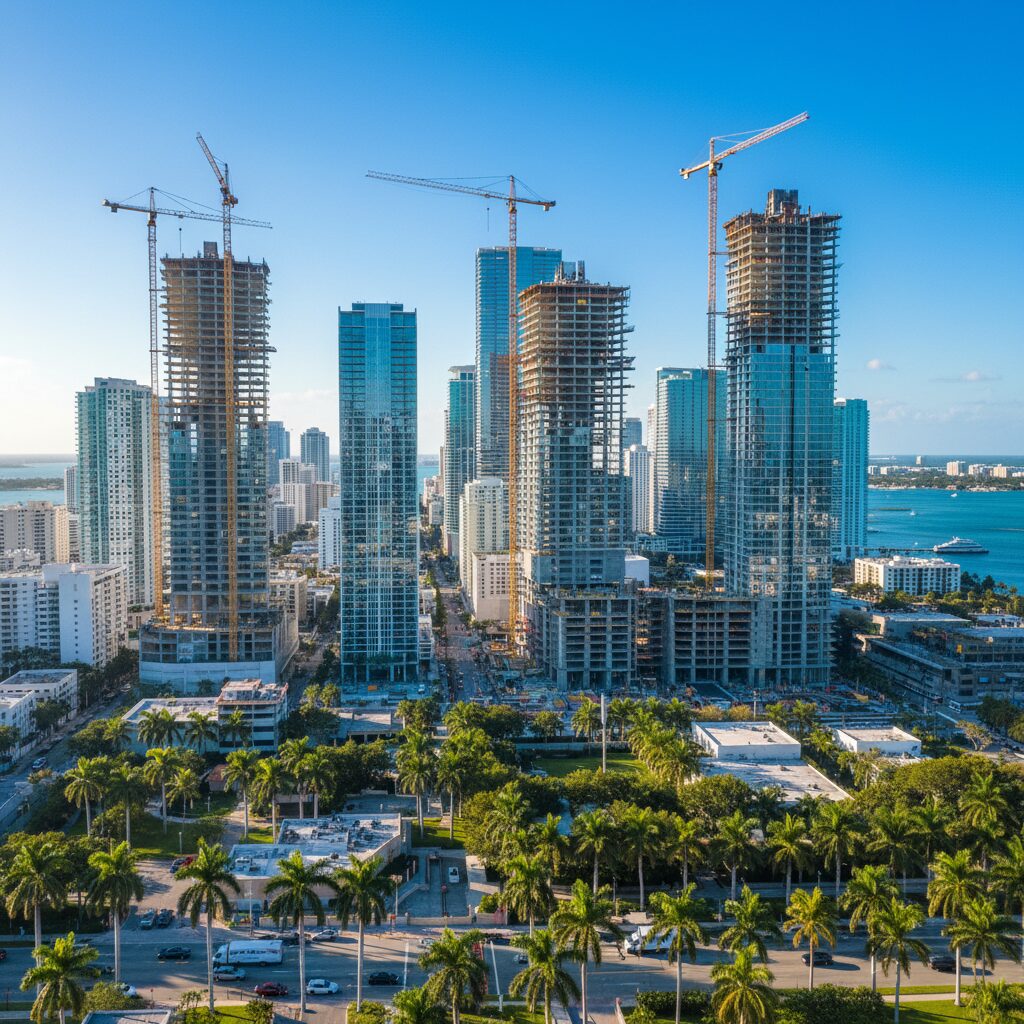
Introduction: Florida Construction in 2025 – A Shifting Landscape
Florida’s construction industry is a dynamic force, especially in bustling regions like Miami, Fort Lauderdale, and West Palm Beach. As we move into 2025, developers, contractors, and property owners face a confluence of evolving building codes, increasing project volume, and persistent challenges in the permitting and inspection processes. These factors can lead to project delays, budget overruns, and increased stress for all stakeholders. In this environment, understanding the latest regulatory changes and leveraging innovative solutions becomes crucial for success.
The Sunshine State’s rapid growth necessitates constant updates to the Florida Building Code (FBC), ensuring structures meet the highest safety and efficiency standards. Staying abreast of these changes is paramount, but it can be a significant burden. Simultaneously, local municipalities are grappling with increased permit applications, creating bottlenecks that can stall even the most well-planned projects. The pressure to deliver projects on time and within budget is higher than ever.
This is where private providers like Florida Private Providers (FPP) emerge as invaluable partners. By offering streamlined plan reviews, permitting assistance, and inspection services, FPP helps navigate the complexities of Florida’s construction landscape. This article will delve into the key challenges facing the industry in 2025, explore recent regulatory updates, and outline how strategic partnerships with private providers can expedite project timelines, mitigate risks, and improve overall ROI. We’ll provide practical insights and actionable advice to help you thrive in Florida’s ever-evolving construction market. Contact us today for a Proposal Request.
The Problem: Permit Delays and Inspection Bottlenecks in Florida
Construction delays are a pervasive issue in Florida, particularly in high-growth areas like Miami-Dade, Broward, and Palm Beach counties. These delays stem from a variety of factors, including:
- Overburdened Municipalities: Local building departments are often understaffed and struggle to keep pace with the sheer volume of permit applications.
- Complex Code Requirements: The Florida Building Code is comprehensive and constantly evolving, leading to confusion and potential errors in plan submissions.
- Inconsistent Interpretation: Different municipalities may interpret code requirements differently, leading to inconsistencies and delays in approvals.
- Inspection Scheduling Challenges: Coordinating inspections with municipal inspectors can be time-consuming, further delaying project progress.
These bottlenecks can have significant financial consequences, including increased carrying costs, lost revenue, and potential legal liabilities. For example, a delay of just a few weeks can translate into tens of thousands of dollars in additional expenses for a large-scale commercial project. The longer a project is delayed, the greater the risk of cost overruns and diminished profitability.
Consider a scenario where a developer is building a new condominium complex in Miami. A delay in obtaining the necessary permits can push back the project’s completion date, causing the developer to miss the peak selling season. This can result in lower sales prices and reduced overall profitability. Similarly, a contractor working on a renovation project in Broward County may face penalties for failing to complete the project on time due to inspection delays.
To combat these challenges, many developers and contractors are turning to private providers like FPP. By leveraging our expertise and resources, they can streamline the permitting and inspection processes, minimize delays, and keep their projects on track. See the FPP Advantages.
Florida Building Code Updates and Regulatory Insights for 2025
Staying current with the Florida Building Code is essential for anyone involved in construction in the state. The FBC is updated periodically to reflect the latest advancements in building technology, safety standards, and energy efficiency. As of late 2023, the 8th Edition (2023) of the Florida Building Code is in effect as of December 31, 2023. It’s crucial to consult the Florida Building Commission website for the most up-to-date information.
Key areas of focus in recent FBC updates include:
- Energy Efficiency: Stricter requirements for insulation, windows, and HVAC systems to reduce energy consumption.
- Wind Resistance: Enhanced standards for structural integrity to withstand hurricane-force winds, particularly in coastal areas.
- Accessibility: Improved accessibility standards for people with disabilities, ensuring compliance with the Americans with Disabilities Act (ADA).
- Fire Safety: Updated fire protection requirements for building materials, sprinkler systems, and alarm systems.
In addition to the FBC, there are other regulatory changes to be aware of. Effective July 1, 2025, Chapter 2025-140, Laws of Florida, titled an “Act Relating to Construction Regulations,” enacted House Bill 683. These changes can impact permitting processes and project timelines. For example, Miami-Dade and Broward counties require recertification at 25 years, then every 10 years, with structural and electrical inspections.
Navigating these complex regulations can be daunting. Private providers like FPP possess in-depth knowledge of the FBC and other relevant regulations. We can help you ensure your project complies with all applicable requirements, avoiding costly delays and potential penalties. Our team stays abreast of all regulatory changes and can provide expert guidance on how to incorporate them into your project plans.
Streamlining Construction: How Private Providers Maximize ROI
Private providers offer a range of services designed to streamline the construction process and maximize ROI. These services include:
- Expedited Plan Review: Private providers can review your plans more quickly than municipal building departments, reducing the time it takes to obtain permits.
- Permitting Assistance: Private providers can help you navigate the permitting process, ensuring your application is complete and accurate.
- Third-Party Inspections: Private providers can conduct inspections at your convenience, minimizing delays and ensuring compliance with code requirements.
- Code Compliance Consulting: Private providers can provide expert guidance on code compliance, helping you avoid costly errors and rework.
By partnering with a private provider like FPP, you can experience a number of benefits, including:
- Faster Project Timelines: Expedited plan reviews and inspections can significantly reduce project timelines, allowing you to complete projects more quickly and generate revenue sooner.
- Reduced Costs: Minimizing delays and avoiding rework can save you money on labor, materials, and other expenses.
- Improved Quality: Expert code compliance consulting can help you ensure your project meets the highest quality standards, reducing the risk of future problems.
- Increased ROI: By streamlining the construction process and maximizing efficiency, private providers can help you increase your return on investment.
For example, FPP worked with a developer on a large-scale commercial project in South Florida. By providing expedited plan reviews and inspections, we were able to reduce the project timeline by several months, saving the developer a significant amount of money. This allowed the developer to complete the project ahead of schedule and generate revenue sooner than anticipated. Learn more on our FPP Services page.
Expert Tips and Resources for Florida Construction Projects
Here are some expert tips and resources to help you navigate Florida’s construction landscape:
- Stay Informed: Regularly check the Florida Building Commission website for updates to the FBC and other regulatory changes.
- Engage Experts Early: Consult with architects, engineers, and private providers early in the project planning process to ensure code compliance and avoid potential problems.
- Plan Ahead: Develop a detailed project schedule and budget, and factor in potential delays for permitting and inspections.
- Choose the Right Partners: Select experienced and reputable contractors, subcontractors, and private providers with a proven track record of success.
- Mitigate Risks: Implement risk management strategies to address potential challenges, such as weather delays, material shortages, and labor disputes.
Here’s a helpful checklist for ensuring a smooth construction project in Florida:
- Secure financing and obtain necessary insurance coverage.
- Hire a qualified architect and engineer to develop detailed plans and specifications.
- Submit plans to the local building department or a private provider for review.
- Obtain all necessary permits before starting construction.
- Schedule inspections at each stage of the project to ensure code compliance.
- Address any deficiencies identified during inspections promptly.
- Obtain a certificate of occupancy upon completion of the project.
By following these tips and resources, you can minimize risks, avoid delays, and ensure the success of your construction project in Florida. Check our FAQ page for more information.
Conclusion: Partnering for Success in Florida Construction
Navigating the complexities of Florida’s construction industry requires a proactive and strategic approach. By staying informed about building code updates, understanding local permitting processes, and leveraging the expertise of private providers like Florida Private Providers, you can streamline your projects, mitigate risks, and maximize your return on investment.
FPP is committed to providing our clients with the highest level of service and expertise. We understand the challenges you face, and we are here to help you navigate the complexities of Florida’s construction landscape. Contact us today to learn more about how we can help you achieve your project goals. We serve the entire South Florida region and beyond. Contact us today!