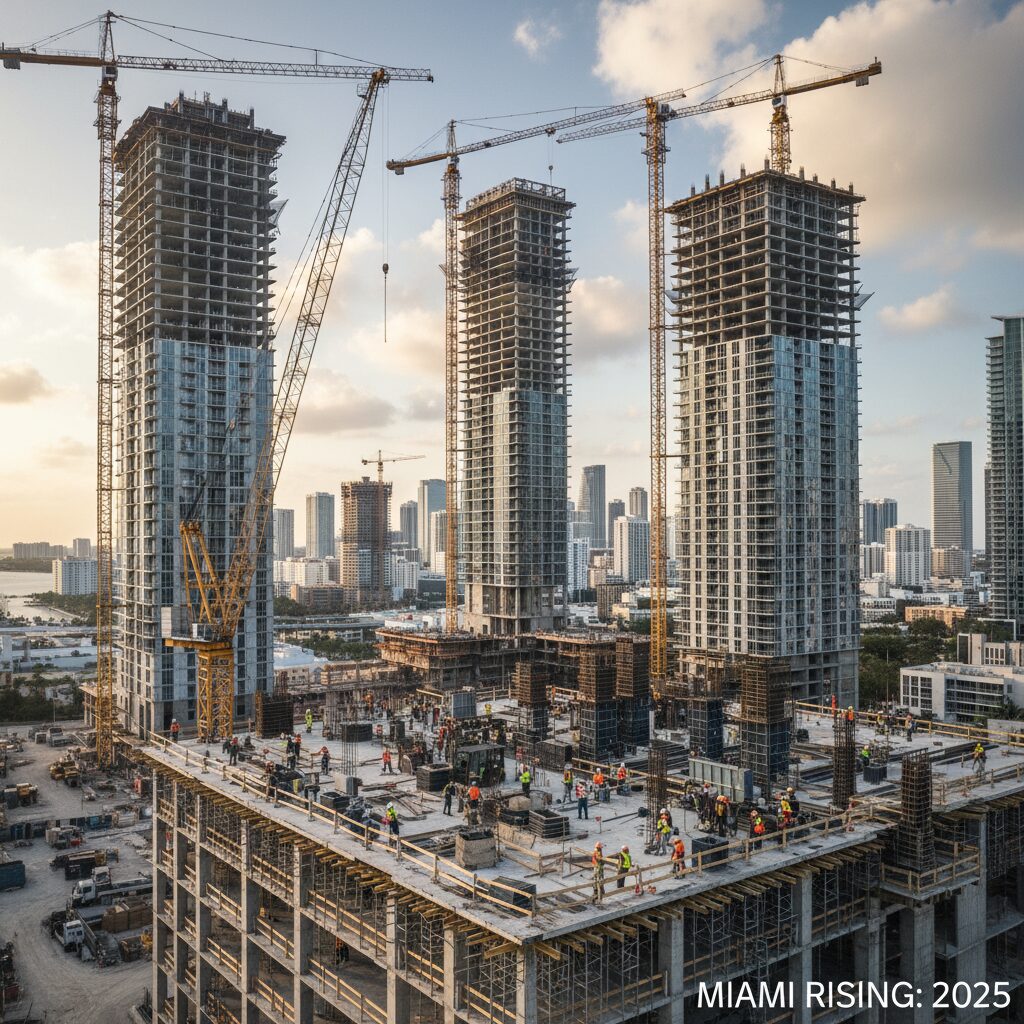
Florida’s construction industry is booming, driven by population growth, tourism, and a vibrant economy. From high-rise condos in Miami to sprawling residential developments in Broward and Palm Beach counties, the Sunshine State is a hotbed of building activity. However, this growth comes with a significant challenge: navigating the complexities of Florida’s construction permitting process. In 2025, contractors, developers, and property owners face an increasingly intricate web of regulations, inspections, and bureaucratic hurdles that can lead to project delays, cost overruns, and significant frustration. The traditional municipal permitting system, often overburdened and understaffed, struggles to keep pace with the sheer volume of construction projects across the state. This is where private providers, like Florida Private Providers (FPP), emerge as a vital solution, offering streamlined plan reviews, efficient inspections, and expert guidance to accelerate project timelines and ensure code compliance. As Florida continues to build, understanding the role and advantages of private providers is no longer optional; it’s essential for success.
The Florida Permitting Predicament: Understanding the Bottlenecks
Delays in construction permitting are a chronic issue in Florida, impacting projects of all sizes and types. These delays stem from a variety of sources, creating a ripple effect that can disrupt schedules, inflate budgets, and even jeopardize project viability. Understanding the root causes of these bottlenecks is the first step toward finding effective solutions.
Overburdened Municipalities and Staffing Shortages
Many municipal building departments in Florida, particularly in rapidly growing areas like Miami-Dade, Broward, and Palm Beach counties, are struggling to keep up with the demand for permitting services. A surge in construction projects, coupled with limited staffing and resources, leads to significant backlogs in plan reviews and inspections. This means that projects can languish for weeks or even months, waiting for approval or inspection, before construction can even begin. This is one reason why municipalities are embracing the help of private providers, so you can learn more about frequently asked questions.
Complex and Evolving Building Codes
The Florida Building Code (FBC) is a comprehensive set of regulations designed to ensure the safety and structural integrity of buildings throughout the state. However, the FBC is also a complex and constantly evolving document, with regular updates and amendments that can be challenging for contractors and developers to navigate. Keeping up with these changes and ensuring that projects comply with the latest code requirements can be a time-consuming and demanding task. Any error or omission can result in delays, rejection of permit applications, and costly rework.
Coordination Challenges and Communication Gaps
The construction permitting process often involves multiple stakeholders, including architects, engineers, contractors, and various municipal departments. Effective coordination and communication between these parties are essential for a smooth and efficient process. However, communication gaps and a lack of coordination can lead to misunderstandings, delays, and errors. For example, if a design change is not properly communicated to the building department, it can result in a rejected permit application and require a complete re-submission.
The High Cost of Delays
The consequences of construction permitting delays can be severe, impacting project budgets, timelines, and overall profitability. Each day of delay can translate into increased labor costs, equipment rental fees, and financing charges. In addition, delays can disrupt project schedules, leading to missed deadlines and potential penalties. For developers, delays can also result in lost revenue from delayed sales or rentals. For these reasons, many are choosing Florida Private Providers’ services.
Navigating Florida’s Regulatory Landscape: Florida Building Code Updates and 2025 Rules
Staying ahead of the curve when it comes to Florida’s building codes and regulatory changes is paramount for any construction project. The Florida Building Code, updated every three years, is the cornerstone of construction standards in the state. Understanding these updates and how they impact permitting is crucial for avoiding costly delays and ensuring compliance.
Florida Building Code (FBC) 8th Edition (2023) and Beyond
The 8th Edition (2023) of the Florida Building Code introduced significant changes across various disciplines, including structural, mechanical, plumbing, and electrical systems. These changes often reflect advancements in building technology, energy efficiency, and safety standards. For example, updates to energy efficiency requirements may necessitate the use of new insulation materials or HVAC systems. Similarly, changes to structural requirements may require modifications to building designs or construction methods. Make sure to partner with experienced providers who know the ins and outs of the Florida Building Code.
40-Year and 50-Year Recertification: Ensuring Structural Integrity
In Miami-Dade and Broward counties, buildings must undergo recertification inspections at 40 and 50 years, respectively, to ensure their structural integrity. These inspections are rigorous and require detailed assessments of a building’s structural components, electrical systems, and life safety features. Any deficiencies identified during the inspection must be addressed through repairs or renovations, which can be a significant undertaking. Property owners and managers should be proactive in planning for these recertification inspections to avoid potential delays and disruptions.
Local Amendments and Variations
In addition to the statewide Florida Building Code, many municipalities have their own local amendments and variations that contractors and developers must comply with. These local requirements can address specific regional concerns, such as hurricane resistance or coastal construction. It’s essential to research and understand the local building codes and regulations in the specific jurisdiction where a project is located. Failing to comply with local amendments can result in rejected permit applications and costly rework.
The Role of Private Providers in Code Compliance
Navigating the complexities of Florida’s building codes and regulations can be a daunting task, especially for those who are not intimately familiar with the intricacies of the system. Private providers, like Florida Private Providers, offer expert guidance and support to help contractors, developers, and property owners ensure code compliance. These providers have a deep understanding of the FBC and local amendments and can assist with plan reviews, inspections, and other permitting-related services. By partnering with a private provider, you can reduce the risk of errors, delays, and costly rework.
Streamlining the Permitting Process: How Private Providers Maximize ROI
Private providers offer a range of services designed to expedite the permitting process, reduce costs, and improve project outcomes. By leveraging their expertise and resources, contractors, developers, and property owners can overcome common permitting challenges and unlock significant ROI improvements.
Expedited Plan Reviews and Inspections
One of the primary benefits of using a private provider is the ability to expedite plan reviews and inspections. Private providers often have shorter turnaround times than municipal building departments, allowing projects to move forward more quickly. This can be particularly valuable for projects with tight deadlines or those that are facing potential delays. With FPP Advantages, you’ll find that faster plan reviews and inspections can save time and money on labor, equipment rental, and financing costs.
Expert Guidance and Support
Private providers offer expert guidance and support throughout the permitting process, helping contractors and developers navigate complex regulations and avoid common pitfalls. These providers have a deep understanding of the Florida Building Code and local amendments and can provide valuable insights into project design, construction methods, and code compliance. By partnering with a private provider, you can reduce the risk of errors, delays, and costly rework.
Risk Mitigation and Cost Control
Private providers can help mitigate risks and control costs by identifying potential problems early in the permitting process. They can review project plans and specifications to identify potential code violations or design flaws that could lead to delays or rework. By addressing these issues proactively, you can avoid costly surprises down the road and ensure that your project stays on track and within budget.
Improved Project Outcomes
By streamlining the permitting process, reducing costs, and mitigating risks, private providers can help improve overall project outcomes. They can help ensure that projects are completed on time, within budget, and in compliance with all applicable codes and regulations. This can lead to increased profitability, improved customer satisfaction, and a stronger reputation for contractors and developers. If you’re ready to improve your project outcomes, then Contact Florida Private Providers today.
Case Studies: Real-World Examples of ROI Improvement
To illustrate the potential ROI improvements that can be achieved by using a private provider, consider the following case studies:
- A residential developer in Miami-Dade County was facing significant delays in obtaining permits for a new 100-unit condominium project. By partnering with a private provider, the developer was able to expedite the plan review process and obtain permits in a fraction of the time it would have taken through the municipal building department. This allowed the developer to start construction sooner, reduce financing costs, and accelerate the sales process.
- A commercial contractor in Broward County was struggling to navigate the complex requirements of the Florida Building Code for a new retail development. By engaging a private provider to provide expert guidance and support, the contractor was able to avoid costly errors and delays and ensure that the project complied with all applicable codes and regulations. This resulted in a smoother permitting process, reduced construction costs, and improved project outcomes.
Expert Tips and Resources for Florida Construction Permitting
Navigating Florida’s construction permitting landscape requires a strategic approach and a deep understanding of the process. Here are some expert tips and resources to help you streamline your projects and mitigate potential risks:
Develop a Detailed Permitting Plan
Before starting any construction project, develop a detailed permitting plan that outlines all the necessary permits, inspections, and approvals required. This plan should include a timeline for each step of the process, as well as a list of all the documents and information that will be needed. A well-developed permitting plan can help you stay organized, avoid surprises, and keep your project on track.
Engage a Qualified Architect or Engineer
Engaging a qualified architect or engineer is essential for ensuring that your project complies with all applicable codes and regulations. A skilled architect or engineer can help you develop project plans and specifications that meet the requirements of the Florida Building Code and local amendments. They can also provide valuable insights into project design, construction methods, and code compliance.
Communicate Effectively with the Building Department
Maintaining open and effective communication with the building department is crucial for a smooth permitting process. Respond promptly to any requests for information, and be proactive in addressing any concerns or issues that may arise. Building a positive relationship with the building department can help you expedite the permitting process and avoid potential delays. If you need assistance communicating with the bulding department, consider a Proposal Request with FPP.
Conduct Thorough Inspections
Conduct thorough inspections throughout the construction process to ensure that your project complies with all applicable codes and regulations. These inspections should be performed by qualified inspectors who have a deep understanding of the Florida Building Code and local amendments. By identifying and addressing any potential problems early on, you can avoid costly rework and ensure that your project meets all safety and quality standards.
Stay Up-to-Date on Code Changes and Regulatory Updates
The Florida Building Code and local regulations are constantly evolving, so it’s important to stay up-to-date on the latest changes and updates. Subscribe to industry newsletters, attend training seminars, and consult with experts to ensure that you are aware of any new requirements that may impact your projects. Staying informed can help you avoid costly errors and delays and ensure that your projects comply with all applicable codes and regulations.
Conclusion: Partnering for Success in Florida Construction
In Florida’s dynamic construction landscape, navigating the complexities of permitting, inspections, and code compliance is essential for success. By understanding the challenges, leveraging the expertise of private providers like Florida Private Providers, and implementing best practices, contractors, developers, and property owners can streamline their projects, reduce costs, and improve outcomes. As Florida continues to grow and evolve, partnering with a trusted private provider will be a critical advantage for those seeking to build a brighter future in the Sunshine State. Don’t let permitting delays hold you back. Contact Florida Private Providers today to discover how we can accelerate your projects and maximize your ROI.