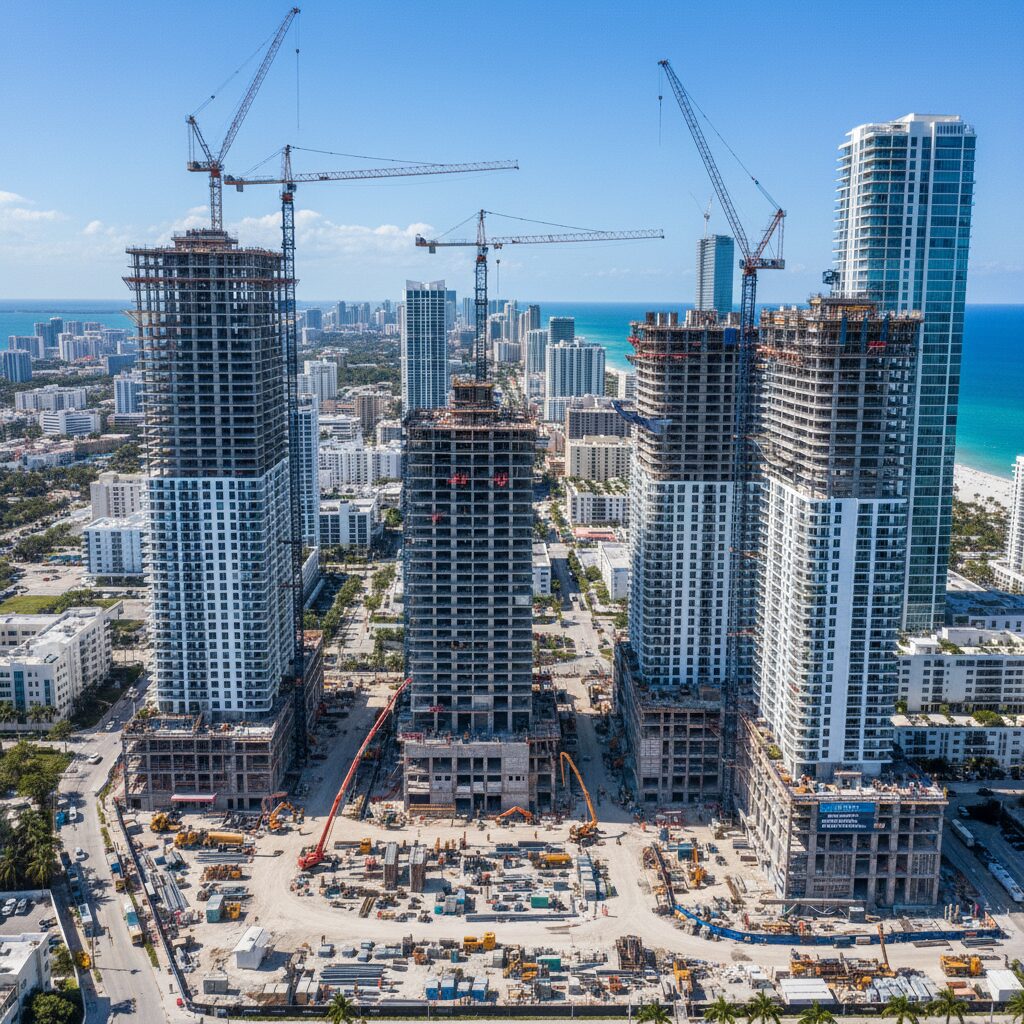
Introduction: Navigating the Evolving Florida Construction Market in 2025
Florida’s construction industry is a dynamic and vital part of the state’s economy. From luxury condos in Miami to sprawling industrial parks in Palm Beach County, the Sunshine State is constantly building. However, this growth comes with challenges. Developers, contractors, and property owners face an increasingly complex web of regulations, permitting processes, and inspection requirements. In 2025, these challenges are amplified by new building codes, evolving local ordinances, and persistent bottlenecks in municipal permitting offices.
The pressure to deliver projects on time and within budget is immense. Delays can lead to significant financial losses, and non-compliance can result in costly rework and legal liabilities. That’s where private providers like Florida Private Providers (FPP) step in. By offering streamlined plan reviews, efficient permitting assistance, and reliable inspections, FPP is helping to redefine efficiency and mitigate risks across Florida’s construction landscape. The services offered by FPP are comprehensive and designed to address the specific challenges faced by those working in the Florida construction industry. For more information, see our Services page.
This article delves into the key issues facing Florida’s construction industry in 2025 and explores how private providers are driving efficiency, ensuring compliance, and maximizing ROI for their clients. We’ll examine the latest building code updates, discuss the changing permit processing landscape in South Florida, and provide expert tips for navigating the complexities of construction projects in the Sunshine State.
The Problem: Permit Delays and Inspection Bottlenecks
One of the most significant pain points for Florida’s construction industry is the prevalence of permit delays and inspection bottlenecks. These issues can stem from a variety of factors, including understaffed municipal permitting offices, complex and often overlapping regulations, and a lack of clear communication between stakeholders.
In Miami-Dade, Broward, and Palm Beach counties, permit processing times can vary significantly depending on the type and scope of the project. Even seemingly straightforward projects can get bogged down in bureaucratic red tape, leading to costly delays and frustrated developers. Recent changes to municipal permit application processes, such as the implementation of online portals, have aimed to improve efficiency, but challenges remain.
Inspection bottlenecks are another common source of delays. Scheduling inspections with municipal inspectors can be a time-consuming process, and unexpected delays can throw entire project timelines off track. This is particularly problematic for projects with tight deadlines or those relying on just-in-time delivery of materials.
These delays have a tangible impact on project costs. Every day a project is delayed translates into additional expenses for labor, equipment rentals, and financing. For large-scale developments, these costs can quickly add up to hundreds of thousands or even millions of dollars. Florida Private Providers understands these issues and offers solutions to mitigate these problems. You can learn more about the FPP Advantages on our website.
Legal & Regulatory Insights: Navigating Florida’s Building Codes in 2025
Staying up-to-date with the latest legal and regulatory requirements is crucial for any construction project in Florida. The Florida Building Code (FBC) is updated periodically, and the most recent edition introduces several changes that impact permitting and inspection processes. The Effective Date for the Florida Building Code, 8th Edition (2023), is December 31, 2023.
Understanding these changes is essential for ensuring compliance and avoiding costly rework. Some key areas to pay attention to include:
- Energy efficiency requirements
- Wind load standards
- Fire safety regulations
- Accessibility guidelines
In addition to the FBC, developers and contractors must also comply with local ordinances and regulations. These can vary significantly from one municipality to another, making it essential to have a thorough understanding of the specific requirements in the project’s location.
Furthermore, Florida’s 40/50-year recertification process for older buildings adds another layer of complexity. This process requires buildings to undergo comprehensive inspections to ensure their structural integrity and safety. Failing to comply with recertification requirements can result in significant fines and even building closures.
Effective July 1, 2025, Florida’s construction industry is operating under a new legal requirement that directly affects how change orders are handled, particularly regarding unforeseen site conditions. This highlights the ever-evolving nature of construction law in Florida. If you have more questions, check out our FAQ page.
Step-by-Step Solutions: How Private Providers Streamline the Process
Private providers like Florida Private Providers (FPP) offer a range of services designed to streamline the construction permitting and inspection process. By leveraging their expertise and experience, developers, contractors, and property owners can save time, reduce costs, and minimize risks.
Here’s a step-by-step breakdown of how private providers can help:
- Plan Review: FPP’s team of experienced plan reviewers can quickly and efficiently review construction plans to ensure compliance with all applicable codes and regulations. This helps identify potential issues early on, preventing costly rework later in the project.
- Permitting Assistance: Navigating the permitting process can be a daunting task. FPP can assist with preparing and submitting permit applications, coordinating with municipal permitting offices, and resolving any issues that may arise.
- Inspections: FPP offers a full range of inspection services, from initial site inspections to final occupancy inspections. Their inspectors are highly qualified and experienced, ensuring that all work is performed to the highest standards.
- Code Compliance Consulting: Staying up-to-date with the latest building codes and regulations can be challenging. FPP provides expert code compliance consulting services to help clients understand and comply with all applicable requirements.
By outsourcing these tasks to a private provider, developers and contractors can free up their internal resources to focus on other critical aspects of the project. This can lead to significant improvements in efficiency and productivity.
Moreover, private providers often have established relationships with municipal permitting offices, which can help expedite the permitting process. They can also provide valuable insights into local regulations and requirements, helping clients avoid costly mistakes. To get started with FPP, submit a Proposal Request today.
Expert Tips & Resources: Mitigating Risks and Maximizing ROI
In addition to leveraging the services of a private provider, there are several other steps that developers, contractors, and property owners can take to mitigate risks and maximize ROI on their construction projects.
Here are some expert tips and resources:
- Conduct thorough due diligence: Before starting any project, it’s essential to conduct thorough due diligence to identify potential risks and challenges. This includes reviewing local regulations, assessing site conditions, and evaluating the financial feasibility of the project.
- Develop a comprehensive project plan: A well-defined project plan is crucial for ensuring that the project stays on track and within budget. The plan should include detailed timelines, budgets, and resource allocations.
- Maintain clear communication: Effective communication between all stakeholders is essential for avoiding misunderstandings and resolving issues quickly. This includes regular meetings, progress reports, and open channels of communication.
- Implement a robust quality control program: A robust quality control program can help identify and correct errors early on, preventing costly rework and ensuring that the project meets all applicable standards.
- Stay informed about regulatory changes: The construction industry is constantly evolving, so it’s essential to stay informed about the latest regulatory changes. This includes subscribing to industry publications, attending conferences, and participating in training programs.
By following these tips and resources, developers and contractors can significantly reduce their risks and improve their chances of success. And remember, Florida Private Providers is here to support you every step of the way. If you have any questions, please Contact us.
Conclusion: Partnering for Success in Florida Construction
Florida’s construction industry presents both opportunities and challenges in 2025. By understanding the evolving regulatory landscape, leveraging the expertise of private providers like Florida Private Providers, and implementing best practices for project management, developers, contractors, and property owners can navigate these challenges and achieve their goals.
FPP is committed to providing its clients with the highest quality plan review, permitting assistance, and inspection services. Their team of experienced professionals is dedicated to helping clients save time, reduce costs, and minimize risks. Contact Florida Private Providers today to learn more about how they can help you succeed in Florida’s dynamic construction market.