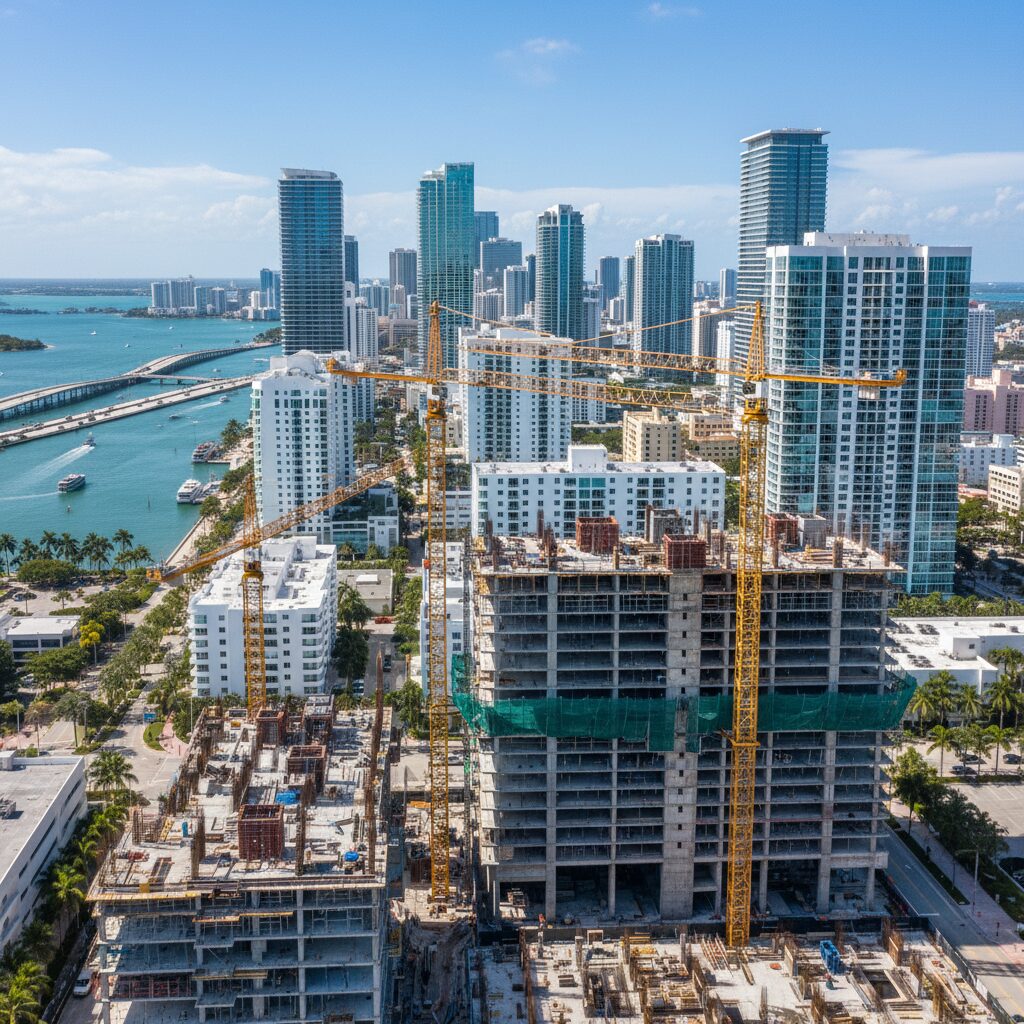
Florida’s construction industry is a dynamic force, constantly reshaping skylines and communities across the state. From the vibrant streets of Miami to the burgeoning neighborhoods of Palm Beach County and beyond, development is a key driver of economic growth. However, this growth comes with its own set of challenges. Navigating the complexities of permitting, plan reviews, and inspections can often feel like traversing a bureaucratic maze, causing project delays, budget overruns, and immense frustration for developers, contractors, and property owners alike. As we move into 2025, the need for efficient and reliable solutions has never been greater.
The Sunshine State’s unique blend of rapid population growth, stringent building codes, and increasing urbanization creates a pressure cooker environment for construction projects. Municipal building departments, often burdened by heavy workloads and staffing constraints, struggle to keep pace with the sheer volume of permit applications and inspection requests. This bottleneck can lead to significant delays, pushing project timelines back by weeks, if not months. In a world where time is money, these delays can have a devastating impact on project profitability and overall investment returns.
Enter private providers – a growing force in Florida’s construction landscape. These independent firms, staffed by licensed professionals, offer a streamlined alternative to traditional municipal processes. By providing plan review, permitting, and inspection services, private providers like Florida Private Providers (FPP) are helping to alleviate the burden on local governments, accelerate project timelines, and improve overall construction outcomes. But how exactly do they achieve these results? And what are the key benefits of partnering with a private provider in 2025? Let’s dive into the details and explore how Florida developers are leveraging private plan review to overcome construction hurdles and build momentum in the Sunshine State.
The Bottleneck: Understanding Permitting Delays and Inspection Inefficiencies
Permitting delays and inspection inefficiencies are not merely inconveniences; they are significant obstacles that can derail even the most well-planned construction projects. To fully grasp the impact of these challenges, it’s essential to understand the root causes and the far-reaching consequences they can have on various stakeholders.
Root Causes of Delays
- Overburdened Municipalities: As mentioned earlier, many municipal building departments are struggling to keep up with the rapid pace of development in Florida. Limited staffing, outdated technology, and complex bureaucratic processes contribute to significant backlogs in permit processing and inspection scheduling.
- Complex Building Codes: The Florida Building Code is a comprehensive set of regulations designed to ensure the safety and structural integrity of buildings. While these codes are essential, they can also be complex and difficult to navigate, leading to errors in permit applications and plan submissions, which in turn cause delays.
- Incomplete or Inaccurate Submittals: A common cause of permit delays is incomplete or inaccurate permit applications and construction plans. Missing information, inconsistencies, or non-compliance with building codes can result in multiple rounds of revisions and resubmittals, adding weeks or even months to the approval process.
- Lack of Communication: Poor communication between developers, contractors, architects, and municipal building departments can also contribute to delays. Misunderstandings, unanswered questions, and a lack of transparency can create confusion and slow down the overall permitting process.
The Ripple Effect of Inefficiencies
The consequences of permitting delays and inspection inefficiencies extend far beyond mere inconvenience. They can have a significant impact on project costs, timelines, and overall profitability.
- Increased Project Costs: Delays often translate into increased project costs. Holding costs, such as loan interest, insurance, and property taxes, continue to accrue while the project is stalled. In addition, contractors may need to pay for extended equipment rentals or labor costs, further adding to the financial burden.
- Missed Deadlines: Delays can also lead to missed deadlines, which can have serious consequences for developers. Projects may be unable to meet contractual obligations, resulting in penalties, legal disputes, and damage to their reputation.
- Lost Revenue: For commercial projects, delays in opening can result in significant lost revenue. Retail stores, restaurants, and office buildings that are unable to open on schedule miss out on critical sales and rental income, impacting their bottom line.
- Frustration and Stress: Permitting delays and inspection inefficiencies can create immense frustration and stress for all parties involved. Developers, contractors, architects, and property owners may feel overwhelmed by the complexities of the process and the lack of control over the timeline.
These challenges are particularly acute in South Florida, where the demand for new construction and renovation projects is high. Miami-Dade, Broward, and Palm Beach counties are experiencing rapid growth, putting even more strain on already overburdened municipal building departments. In this environment, finding ways to streamline the permitting process and improve inspection efficiency is crucial for ensuring the continued success of the region’s construction industry. Consider using Florida Private Providers’ services to navigate these hurdles effectively.
Navigating the Regulatory Landscape: Florida Building Code Updates and 2025 Rules
Staying abreast of the latest regulatory changes and code updates is essential for any construction professional operating in Florida. The Florida Building Code (FBC) is constantly evolving to incorporate new technologies, address emerging safety concerns, and improve energy efficiency. Understanding these changes and their implications for permitting and inspections is crucial for avoiding costly delays and ensuring code compliance.
Key Updates to the Florida Building Code
The FBC is updated every three years, with the latest edition typically going into effect at the end of the year. These updates can include changes to structural requirements, energy efficiency standards, fire safety regulations, and accessibility guidelines. Some of the key areas to watch for in the upcoming 2025 FBC include:
- Energy Efficiency: With growing concerns about climate change and energy conservation, expect to see more stringent energy efficiency requirements for new construction and renovations. This may include stricter insulation standards, improved window and door performance, and increased use of renewable energy sources.
- Resilience to Natural Disasters: Florida is particularly vulnerable to hurricanes, floods, and other natural disasters. The FBC is constantly being updated to improve the resilience of buildings to these threats, with a focus on strengthening structural components, enhancing flood protection measures, and improving wind resistance.
- Accessibility: Ensuring accessibility for people with disabilities is a key priority in the FBC. Expect to see updates to accessibility guidelines that address issues such as accessible parking, ramps, restrooms, and signage.
- Fire Safety: Fire safety is another critical area of focus in the FBC. Updates may include changes to fire alarm systems, sprinkler requirements, and fire-resistant construction materials.
Impact on Permitting and Inspections
These code updates can have a significant impact on permitting and inspection processes. Developers and contractors need to ensure that their plans and specifications are fully compliant with the latest requirements. This may involve hiring qualified architects and engineers who are familiar with the FBC and can provide expert guidance on code compliance. During inspections, building officials will be looking for evidence that the construction work meets the requirements of the updated code. Failure to comply with the FBC can result in costly rework, delays, and even legal penalties.
Staying Ahead of the Curve
To stay ahead of the curve and avoid potential problems, it’s essential to:
- Attend Training Seminars: Participate in training seminars and workshops on the latest FBC updates. These events can provide valuable insights into the changes and their implications for construction projects.
- Consult with Experts: Seek guidance from qualified architects, engineers, and code consultants who specialize in Florida building codes. These experts can help you navigate the complexities of the FBC and ensure that your projects are fully compliant.
- Utilize Online Resources: Take advantage of online resources, such as the Florida Building Commission website, to access the latest FBC information and updates.
Understanding and adhering to the latest Florida Building Code updates is crucial for ensuring the success of construction projects in 2025. By staying informed and seeking expert guidance, developers and contractors can minimize the risk of delays, avoid costly rework, and ensure that their projects meet the highest standards of safety and quality. For a better understanding of our capabilities, review FPP Advantages.
The Private Provider Advantage: Streamlining Permitting and Maximizing ROI
In the face of increasing permitting delays, complex code requirements, and growing construction costs, private providers offer a valuable solution for Florida developers looking to streamline their projects and maximize their return on investment. By leveraging the expertise and efficiency of private plan review and inspection firms, developers can accelerate project timelines, reduce costs, and improve overall construction outcomes.
How Private Providers Streamline the Process
- Faster Plan Review: Private providers typically offer much faster plan review times compared to municipal building departments. With dedicated staff and streamlined processes, they can often complete plan reviews in a matter of days, rather than weeks or months.
- Expert Code Compliance Assistance: Private providers employ licensed professionals who are experts in the Florida Building Code. They can provide valuable guidance on code compliance, helping developers avoid errors and ensure that their plans meet all applicable requirements.
- Flexible Inspection Scheduling: Private providers offer flexible inspection scheduling options, allowing developers to schedule inspections at their convenience. This can help minimize delays and keep projects on track.
- Improved Communication: Private providers prioritize clear and consistent communication with developers, contractors, and other stakeholders. They provide regular updates on the status of permit applications and inspections, ensuring that everyone is informed and on the same page.
Maximizing ROI with Private Providers
The benefits of partnering with a private provider extend beyond mere speed and efficiency. By streamlining the permitting process and improving code compliance, private providers can help developers maximize their return on investment in several ways:
- Reduced Holding Costs: Faster permitting and inspection times translate into reduced holding costs, such as loan interest, insurance, and property taxes.
- Faster Time to Market: Accelerating project timelines allows developers to bring their projects to market sooner, generating revenue and recouping their investment more quickly.
- Minimized Rework: Expert code compliance assistance helps minimize the risk of rework, which can be costly and time-consuming.
- Improved Project Quality: Private providers can help ensure that construction projects are built to the highest standards of quality, reducing the risk of future problems and enhancing the value of the property.
Real-World Examples
To illustrate the benefits of private providers, consider the following real-world examples:
- A Miami-based developer was struggling to obtain permits for a new high-rise condominium project. By partnering with a private provider, they were able to cut the permitting time in half, saving them hundreds of thousands of dollars in holding costs and allowing them to bring the project to market months ahead of schedule.
- A Broward County contractor was facing delays on a renovation project due to inspection bottlenecks. By hiring a private provider to handle the inspections, they were able to get the project back on track and avoid costly penalties for missing deadlines.
- A Palm Beach County property owner was unsure about the code requirements for a new addition to their home. By consulting with a private provider, they were able to ensure that their plans were fully compliant with the FBC, avoiding potential problems down the road.
These examples demonstrate the tangible benefits that private providers can offer to developers, contractors, and property owners in Florida. By streamlining the permitting process, improving code compliance, and maximizing ROI, private providers are helping to shape the future of construction in the Sunshine State. For answers to common questions, check the FAQ page.
Expert Tips and Resources: Mitigating Risks and Ensuring Success
Navigating the Florida construction landscape requires a proactive approach to risk mitigation and a commitment to staying informed about the latest regulations and best practices. Here are some expert tips and resources to help developers, contractors, and property owners minimize risks and ensure the success of their projects:
Due Diligence Before You Build
- Thorough Site Assessment: Conduct a thorough site assessment to identify any potential environmental hazards, soil conditions, or other factors that could impact the project.
- Zoning and Land Use Regulations: Carefully review zoning and land use regulations to ensure that the proposed project is permitted in the desired location.
- Title Search: Perform a title search to identify any liens, encumbrances, or other issues that could affect the property ownership.
Proactive Permitting Strategies
- Pre-Application Meetings: Schedule pre-application meetings with municipal building officials to discuss the project and identify any potential issues upfront.
- Complete and Accurate Submittals: Ensure that all permit applications and construction plans are complete, accurate, and compliant with the Florida Building Code.
- Early Engagement with Private Providers: Engage with a private provider early in the process to leverage their expertise in code compliance and streamline the permitting process.
Effective Risk Management Techniques
- Comprehensive Insurance Coverage: Obtain comprehensive insurance coverage to protect against potential liabilities, such as property damage, personal injury, and construction defects.
- Contractor Selection: Carefully vet contractors to ensure that they are licensed, insured, and have a proven track record of success.
- Regular Site Inspections: Conduct regular site inspections to monitor progress and identify any potential problems early on.
Valuable Resources for Florida Construction Professionals
- Florida Building Commission: The Florida Building Commission website provides access to the latest Florida Building Code information, updates, and resources.
- Florida Department of Business and Professional Regulation (DBPR): The DBPR website offers information on licensing requirements for contractors, architects, and engineers.
- Local Building Departments: Contact your local building department for information on permitting requirements, inspection procedures, and code compliance.
- Professional Associations: Join professional associations, such as the Florida Home Builders Association or the Associated General Contractors of America, to network with other industry professionals and stay informed about the latest trends and best practices.
By implementing these expert tips and leveraging available resources, Florida construction professionals can mitigate risks, avoid costly delays, and ensure the successful completion of their projects. The construction sector is constantly evolving and improving your understanding of the permitting and inspection process, along with Florida building codes can allow you to better prepare for your next project. Don’t hesitate to contact Florida Private Providers for personalized support.
Conclusion: Building a Brighter Future with Florida Private Providers
As Florida’s construction industry continues to evolve, the need for efficient, reliable, and cost-effective permitting and inspection solutions will only intensify. Private providers like Florida Private Providers (FPP) are playing an increasingly vital role in helping developers, contractors, and property owners navigate the complexities of the regulatory landscape and achieve their project goals.
By offering faster plan review times, expert code compliance assistance, flexible inspection scheduling, and improved communication, FPP is helping to streamline the construction process, reduce costs, and maximize ROI for its clients. Whether you’re planning a new high-rise condominium in Miami, renovating a commercial building in Broward County, or adding an addition to your home in Palm Beach County, FPP can provide the expertise and support you need to succeed. To get started and explore how we can assist with your specific needs, submit a Proposal Request today.
In 2025 and beyond, Florida Private Providers is committed to building a brighter future for the Sunshine State’s construction industry. By embracing innovation, fostering collaboration, and delivering exceptional service, we are helping to create a more efficient, sustainable, and prosperous built environment for all.