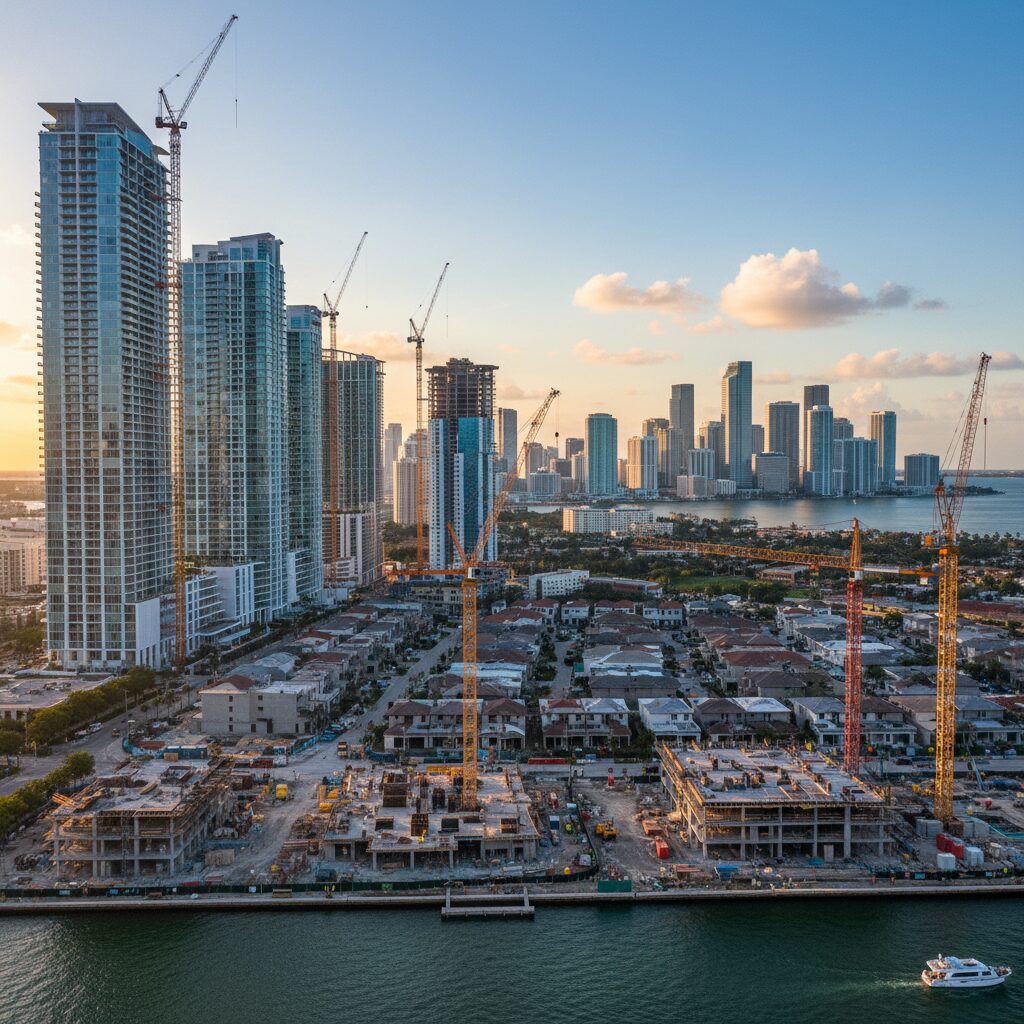
Florida’s construction industry is a vibrant engine of economic growth, particularly in the bustling metropolis of Miami and the rapidly expanding regions of South Florida. From towering condominiums reshaping the skyline to sprawling residential communities meeting the demands of a growing population, the Sunshine State is a hotbed of construction activity. However, this boom comes with its own set of unique challenges. Navigating the complex web of building codes, securing timely permits, and ensuring meticulous inspections can often feel like an uphill battle for developers, contractors, and property owners alike. As we move into 2025, these challenges are only becoming more pronounced, demanding innovative solutions and a strategic approach to project management.
The traditional construction process in Florida, heavily reliant on municipal resources, is frequently plagued by delays and inefficiencies. Lengthy permit processing times can push project timelines back by months, resulting in significant cost overruns and lost revenue. Inspection bottlenecks can further exacerbate these issues, hindering progress and creating a frustrating experience for all stakeholders. For developers eager to capitalize on market opportunities, contractors striving to maintain profitability, and property owners anxious to realize their vision, these delays can be detrimental.
Enter private providers – a game-changing alternative that is revolutionizing the Florida construction landscape. These independent firms, certified and regulated by the state, offer a streamlined approach to plan review, permitting, and inspections. By leveraging their expertise and resources, developers, contractors, and property owners can bypass the bureaucratic logjams that often plague municipal processes, accelerating project timelines and maximizing their return on investment. This article delves into the critical role private providers are playing in redefining Florida construction in 2025, offering practical insights, expert tips, and a step-by-step guide to leveraging their services for your next project.
At Florida Private Providers, we understand the unique challenges and opportunities presented by the Florida construction market. With a deep understanding of local regulations, a commitment to efficiency, and a proven track record of success, we are dedicated to helping our clients navigate the complexities of the permitting and inspection process with ease. Whether you are embarking on a large-scale commercial development in Miami or a residential renovation project in Broward County, our team of experienced professionals is here to provide the support and guidance you need to achieve your goals. Our services are designed to be comprehensive and tailored to the unique needs of each project.
The Problem: Navigating Florida’s Construction Bottlenecks in 2025
The allure of Florida’s booming construction market is undeniable, but beneath the surface lies a complex web of potential pitfalls. Understanding these challenges is the first step towards mitigating risks and ensuring project success. Here’s a closer look at the key pain points plaguing Florida’s construction industry in 2025:
Permit Delays: A Costly Time Sink
One of the most significant hurdles facing developers and contractors in Florida is the notorious permit delay. The traditional permitting process, often managed by understaffed and overburdened municipal departments, can stretch on for weeks, months, or even years. These delays can have a cascading effect on project timelines, leading to increased labor costs, material price escalations, and missed market opportunities. For projects with tight deadlines or budget constraints, permit delays can be a critical blow.
In Miami-Dade, Broward, and Palm Beach counties, the surge in construction activity has further exacerbated permit processing times. The influx of new projects has strained municipal resources, leading to longer wait times and increased scrutiny. Navigating the specific requirements and procedures of each county can be a daunting task, requiring specialized knowledge and expertise.
Inspection Bottlenecks: Slowing Down Progress
Even after securing the necessary permits, construction projects can face further delays due to inspection bottlenecks. Scheduling inspections with municipal inspectors can be a challenge, often requiring significant lead time and flexibility. The availability of inspectors can be limited, particularly during peak construction seasons, leading to further delays and disruptions. Moreover, failing an inspection can result in costly rework and further delays, adding to the overall project timeline and budget.
Code Compliance Complexities: A Moving Target
Staying abreast of the ever-evolving Florida Building Code is a critical but challenging task. The code is regularly updated to reflect new technologies, safety standards, and best practices. Keeping up with these changes and ensuring compliance can be a significant burden for developers and contractors, particularly those working on complex or specialized projects. Failure to comply with the latest code requirements can result in costly fines, project delays, and even legal liabilities.
The 40/50-year recertification process in Florida adds another layer of complexity to code compliance. This process requires buildings to undergo a comprehensive inspection and assessment to ensure their structural integrity and safety. Identifying and addressing any deficiencies can be a time-consuming and expensive undertaking, requiring specialized expertise and resources.
Inefficient Communication: A Recipe for Misunderstandings
Poor communication between developers, contractors, architects, and municipal authorities can further exacerbate construction delays and inefficiencies. Misunderstandings, misinterpretations, and lack of transparency can lead to costly errors, rework, and disputes. Streamlining communication and fostering collaboration is essential for ensuring project success.
Legal & Regulatory Insights: Navigating the Florida Building Code in 2025
Understanding the legal and regulatory landscape governing Florida construction is paramount for avoiding costly mistakes and ensuring project compliance. Here’s a breakdown of the key aspects of the Florida Building Code and other relevant regulations:
Florida Building Code Updates: What’s New in 2025?
The Florida Building Code is constantly evolving to reflect advancements in construction technology, safety standards, and environmental considerations. Staying informed about the latest updates is crucial for ensuring compliance and avoiding potential penalties. While specific details for the 2025 code are still being finalized, it’s anticipated that the updates will focus on energy efficiency, resilience to extreme weather events, and accessibility.
It’s essential to consult the official Florida Building Code website and other reputable sources for the most up-to-date information. Engaging with industry experts and attending relevant training sessions can also help you stay informed and prepared.
Permitting Timelines: Understanding the Process
The permitting process in Florida can vary depending on the type and scope of the project, as well as the specific requirements of the local municipality. Generally, the process involves submitting detailed plans and specifications to the relevant authorities for review. The review process can take several weeks or months, depending on the complexity of the project and the workload of the municipal department.
Understanding the specific timelines and requirements of the permitting process is essential for effective project planning. It’s advisable to consult with experienced permitting professionals who can guide you through the process and help you avoid potential delays.
The Role of Private Providers: A Regulatory Overview
Private providers play a vital role in the Florida construction industry, offering a streamlined alternative to the traditional municipal permitting and inspection process. These independent firms are certified and regulated by the state, ensuring that they meet the highest standards of professionalism and expertise. Private providers are authorized to perform plan reviews, conduct inspections, and issue permits on behalf of municipal authorities.
The use of private providers is governed by specific regulations and guidelines outlined in the Florida Statutes. It’s important to understand these regulations to ensure that you are working with a qualified and reputable provider. The FAQ page on our website provides more information.
40/50-Year Recertification: Ensuring Building Safety
The 40/50-year recertification process is a critical component of Florida’s building safety regulations. This process requires buildings to undergo a comprehensive inspection and assessment to ensure their structural integrity and safety. The inspection must be performed by a qualified engineer or architect, who will identify any deficiencies and recommend necessary repairs or renovations.
The recertification process can be a significant undertaking, requiring careful planning and execution. It’s advisable to engage with experienced professionals who can guide you through the process and help you ensure compliance with all applicable regulations.
Step-by-Step Solutions: How Private Providers Streamline the Process and Maximize ROI
Private providers like Florida Private Providers offer a range of solutions to address the challenges facing the Florida construction industry. Here’s a step-by-step guide to leveraging their services for your next project:
Step 1: Initial Consultation and Project Assessment
The first step is to schedule an initial consultation with a private provider to discuss your project goals and requirements. During this consultation, the provider will assess your project’s scope, timeline, and budget, and identify any potential challenges or risks. This assessment will help the provider develop a customized plan to meet your specific needs.
Step 2: Plan Review and Permitting
Once the project assessment is complete, the private provider will conduct a thorough review of your construction plans and specifications. This review will ensure that your plans comply with all applicable building codes and regulations. The provider will also assist you in obtaining the necessary permits from the local municipality. By leveraging their expertise and relationships, private providers can often expedite the permitting process, saving you valuable time and money.
Step 3: Inspections and Compliance
Throughout the construction process, the private provider will conduct regular inspections to ensure that the work is being performed in accordance with the approved plans and specifications. These inspections will help identify any potential problems or deficiencies early on, allowing you to address them before they become major issues. The provider will also work with you to ensure that your project complies with all applicable building codes and regulations.
Step 4: Project Completion and Certification
Once the construction project is complete, the private provider will conduct a final inspection to ensure that all work has been performed to the required standards. If the project meets all requirements, the provider will issue a certificate of completion, which is required for occupancy. The advantages of using FPP are numerous.
Maximizing ROI: The Financial Benefits of Private Providers
While the cost of hiring a private provider may seem like an additional expense, it can actually save you money in the long run. By expediting the permitting process, avoiding costly delays, and ensuring compliance with building codes, private providers can help you reduce your overall project costs and maximize your return on investment. In addition, private providers can help you mitigate risks and avoid potential liabilities, protecting your financial interests.
Expert Tips & Resources: Navigating Florida Construction with Confidence
Here are some expert tips and resources to help you navigate the Florida construction landscape with confidence:
Tip 1: Engage with Experienced Professionals
Surround yourself with a team of experienced professionals, including architects, engineers, contractors, and private providers. These professionals can provide valuable guidance and support throughout the construction process, helping you avoid costly mistakes and ensure project success.
Tip 2: Stay Informed About Code Updates
Keep abreast of the latest updates to the Florida Building Code and other relevant regulations. Attend industry events, subscribe to newsletters, and consult with experts to stay informed about changes that may impact your projects.
Tip 3: Plan Ahead and Be Prepared
Thorough planning is essential for successful construction projects. Develop a detailed project plan, including timelines, budgets, and resource allocations. Be prepared for potential delays and challenges, and have contingency plans in place to mitigate risks.
Tip 4: Communicate Effectively
Foster open and transparent communication between all stakeholders, including developers, contractors, architects, and municipal authorities. Clear communication can help avoid misunderstandings, resolve conflicts, and ensure that everyone is on the same page.
Tip 5: Consider Risk Mitigation Strategies
Implement risk mitigation strategies to protect your financial interests and avoid potential liabilities. Obtain adequate insurance coverage, conduct thorough due diligence, and consult with legal counsel to minimize risks.
For more information or to request a proposal request, please visit our website.
Conclusion: Partnering with Florida Private Providers for Success in 2025
As Florida’s construction industry continues to evolve, partnering with experienced and reliable private providers like Florida Private Providers is becoming increasingly essential for success. By leveraging our expertise, resources, and commitment to excellence, you can streamline the permitting process, avoid costly delays, and maximize your return on investment. Whether you are a developer, contractor, or property owner, we are here to provide the support and guidance you need to navigate the complexities of the Florida construction landscape with confidence.
Don’t let bureaucratic bottlenecks hold you back from achieving your construction goals. Contact Florida Private Providers today to learn how we can help you build beyond bureaucracy and unlock your project’s full potential. We proudly serve Miami, South Florida, and the entire state of Florida, offering unparalleled expertise and customer service.