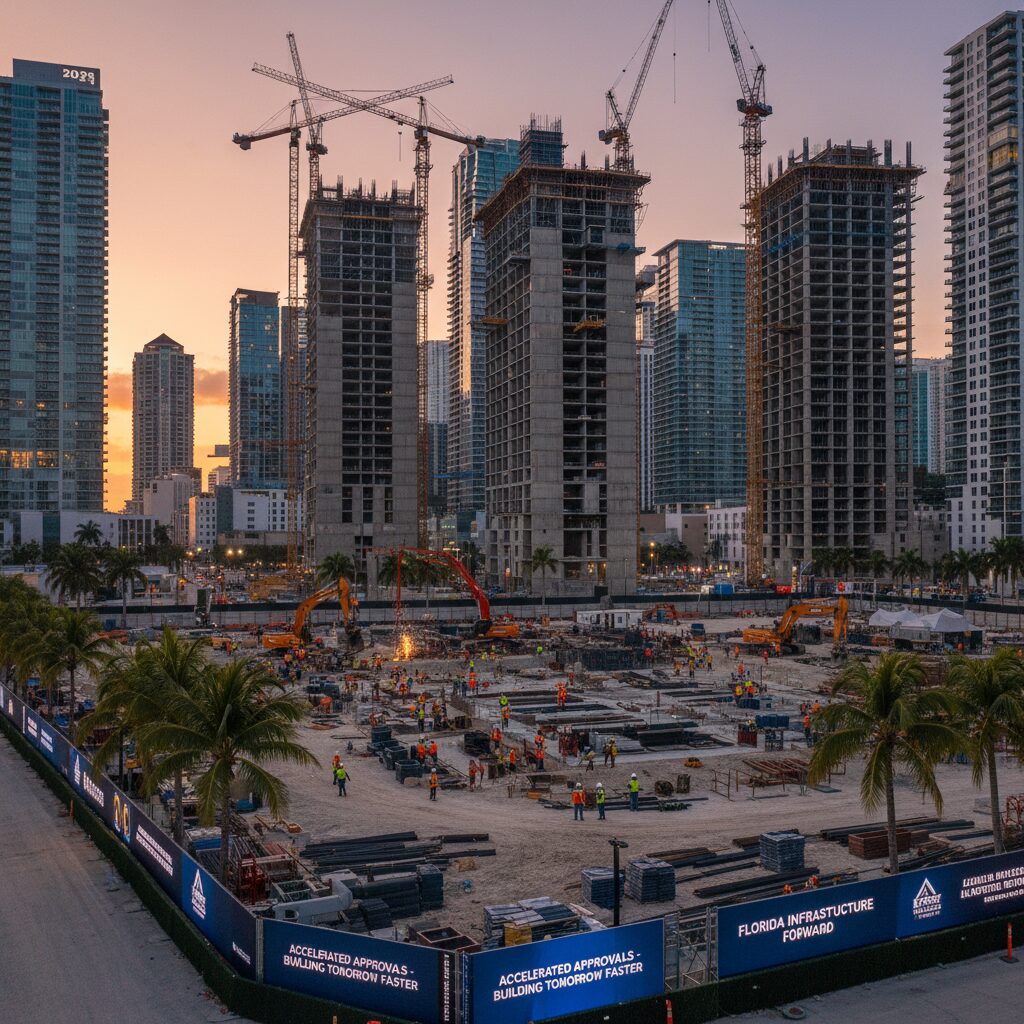
Florida’s construction landscape is as dynamic as its coastline. In 2025, developers, contractors, and property owners face a complex web of regulations, deadlines, and rising costs. Navigating this environment requires not just expertise but also strategic partnerships. From Miami-Dade to the Panhandle, the pressure to build faster, smarter, and more efficiently has never been greater. This is where private providers emerge as key players, offering streamlined solutions to traditionally cumbersome processes. But what exactly is driving this shift, and how can you leverage it to your advantage? This article will delve into the intricacies of Florida’s construction permitting landscape, highlighting the challenges and, more importantly, providing actionable strategies to ensure your projects stay on track and within budget. Understanding the nuances of Florida Building Code updates, navigating permit processing changes, and staying ahead of construction industry trends are critical for success. Let’s explore how private providers are transforming the construction experience in the Sunshine State, offering a beacon of efficiency in an often-murky regulatory environment. The goal is to equip you with the knowledge and insights needed to make informed decisions, mitigate risks, and ultimately, achieve a higher return on investment.
The Florida Permitting Puzzle: Unraveling Delays and Inefficiencies
The Sunshine State’s allure is undeniable, but its construction permitting process can often feel like navigating a maze. Permit delays and inspection bottlenecks are persistent challenges, impacting project timelines and budgets across Florida. Municipal permitting offices, often understaffed and overloaded, struggle to keep pace with the rapid growth, especially in high-demand areas like Miami, Broward, and Palm Beach counties. This situation leads to significant inefficiencies, causing frustration and financial strain for developers and contractors alike.
Common Causes of Permitting Delays
Several factors contribute to the pervasive delays in Florida’s construction permitting process. Incomplete applications, plan errors, and lack of coordination between various stakeholders are frequent culprits. Moreover, the sheer volume of projects vying for approval overwhelms municipal resources, leading to extended review times and backlogs. The complexity of Florida Building Code, coupled with evolving local interpretations, further exacerbates the problem.
The Economic Impact of Construction Delays
The consequences of permitting delays extend far beyond mere inconvenience. Prolonged timelines translate directly into increased costs, including financing charges, labor expenses, and material price escalations. Delayed project completion also impacts revenue streams, rental income, and overall economic growth. In a competitive market like South Florida, these delays can be the difference between success and failure.
Navigating the Municipal Maze: A Contractor’s Perspective
For contractors, navigating the municipal permitting process can feel like a full-time job in itself. From submitting initial applications to responding to review comments and scheduling inspections, the process demands significant time and resources. Maintaining strong relationships with local officials and understanding their specific requirements is crucial, but even then, delays are often unavoidable. This is where the value of expert guidance and streamlined solutions becomes abundantly clear. Understanding the intricacies can be overwhelming, especially when timelines are tight and budgets are on the line. That’s why many contractors are turning to alternative solutions to keep their projects moving forward.
Decoding Florida’s Construction Regulations: Building Codes and Timelines
Florida’s construction industry operates under a complex framework of regulations, codes, and timelines. Staying abreast of the latest updates and understanding their implications is essential for ensuring compliance and avoiding costly delays. The Florida Building Code (FBC) serves as the cornerstone of construction standards, with periodic revisions and amendments to reflect evolving best practices and technological advancements.
Florida Building Code Updates for 2025
As we move into 2025, several key updates to the Florida Building Code are set to impact construction projects across the state. These revisions often address energy efficiency, structural integrity, and safety standards. It’s crucial for developers and contractors to familiarize themselves with these changes and incorporate them into their project plans. Failing to comply with the latest code requirements can result in rejected permits, costly rework, and legal liabilities.
Understanding 40/50-Year Recertification Requirements
In addition to the FBC, Florida has specific regulations for the recertification of buildings reaching 40 or 50 years of age, particularly in coastal areas like Miami-Dade and Broward counties. These recertification processes are designed to ensure the structural integrity and safety of older buildings, protecting residents and mitigating potential risks. Property owners must engage qualified engineers and inspectors to conduct thorough assessments and implement necessary repairs or upgrades. Neglecting these requirements can lead to fines, legal action, and even the condemnation of unsafe structures.
Permit Processing Changes in Key Florida Counties
Miami-Dade, Broward, and Palm Beach counties, the engines of South Florida’s economy, are constantly refining their permit processing procedures to improve efficiency and responsiveness. These changes may involve new online portals, streamlined review processes, and updated inspection protocols. Staying informed about these local variations is crucial for navigating the permitting landscape successfully. Contractors working across multiple jurisdictions must adapt to the specific requirements of each county to avoid delays and ensure smooth project execution. Engaging with local experts who understand these nuances can provide a significant advantage.
The Role of Private Providers in Code Compliance
Private providers play a crucial role in helping developers and contractors navigate the complexities of Florida’s building codes and regulations. These independent firms offer plan review, permitting, and inspection services, providing an alternative to the often-overburdened municipal agencies. By leveraging the expertise of private providers, project teams can accelerate the permitting process, ensure code compliance, and mitigate risks. This collaborative approach fosters efficiency and promotes a smoother construction experience.
Streamlining Construction with Private Providers: A Step-by-Step Guide
In the face of persistent permitting challenges, private providers like Florida Private Providers (FPP) offer a beacon of efficiency and expertise. By partnering with a reputable private provider, developers and contractors can streamline their construction projects, accelerate timelines, and maximize their return on investment.
Step 1: Engaging a Private Provider for Plan Review
The first step in leveraging the benefits of a private provider is to engage them for plan review services. FPP’s team of experienced professionals meticulously examines construction plans to ensure compliance with all applicable codes and regulations. This proactive approach identifies potential issues early on, preventing costly rework and delays down the line. The thoroughness and expertise of private plan reviewers can significantly reduce the number of revisions required by municipal agencies, accelerating the overall permitting process.
Step 2: Expediting the Permitting Process
Once the plans have been reviewed and approved by the private provider, they can be submitted to the municipal agency for permitting. FPP acts as a liaison between the project team and the municipality, facilitating communication and addressing any questions or concerns that may arise. This proactive approach helps to expedite the permitting process, reducing wait times and keeping projects on schedule. Private providers often have established relationships with local officials, further streamlining the process.
Step 3: Utilizing Private Inspection Services
After the permit is issued, private providers can provide inspection services throughout the construction process. FPP’s qualified inspectors conduct thorough on-site inspections to ensure that the work is being performed in accordance with the approved plans and applicable codes. This independent oversight helps to maintain quality control, prevent errors, and ensure the safety of the building. Private inspections can also be scheduled more flexibly than municipal inspections, minimizing delays and keeping the project moving forward. Discover the Services we offer.
Step 4: Maximizing ROI with Efficient Project Management
By streamlining the permitting and inspection processes, private providers help developers and contractors maximize their return on investment. Reduced delays translate into lower costs, increased revenue, and faster project completion. FPP’s expertise and proactive approach also mitigate risks, preventing costly errors and ensuring compliance with all applicable regulations. This comprehensive approach not only saves time and money but also enhances the overall quality and success of the construction project. The FPP Advantages are numerous.
Real-World Examples of Successful Projects
Numerous developers and contractors across Florida have experienced the benefits of partnering with private providers. From large-scale commercial developments to residential renovations, these projects demonstrate the value of streamlined permitting and inspection processes. By leveraging the expertise of private providers, project teams have been able to accelerate timelines, reduce costs, and achieve superior results. These success stories serve as a testament to the transformative power of private provider services.
Expert Tips and Resources for Florida Construction Professionals
Navigating Florida’s construction landscape requires more than just knowledge of the building codes and regulations. It also demands a proactive approach, effective risk mitigation strategies, and access to valuable resources. Here are some expert tips and resources to help Florida construction professionals succeed in 2025 and beyond.
Developing a Proactive Permitting Strategy
The key to avoiding permitting delays is to develop a proactive strategy from the outset of the project. This involves conducting thorough due diligence, engaging qualified professionals, and submitting complete and accurate applications. By anticipating potential challenges and addressing them proactively, project teams can significantly reduce the risk of delays and ensure a smoother permitting process. A well-defined permitting strategy should also include contingency plans to address unforeseen issues that may arise.
Mitigating Risks and Ensuring Compliance
Risk mitigation is an essential aspect of any successful construction project. This involves identifying potential hazards, implementing safety protocols, and ensuring compliance with all applicable regulations. Private providers play a crucial role in risk mitigation by providing independent oversight and ensuring that the work is being performed in accordance with the approved plans and codes. By partnering with a reputable private provider, project teams can minimize the risk of accidents, errors, and legal liabilities. Review the FAQ for more information.
Utilizing Checklists and Best Practices
Checklists and best practices are valuable tools for ensuring consistency, quality, and compliance in construction projects. These resources provide a structured approach to project management, helping to identify potential issues and prevent errors. Private providers often provide checklists and best practices to their clients, helping them to streamline their processes and achieve superior results. These resources can be customized to meet the specific needs of each project.
Staying Informed About Regulatory Changes
The construction industry is constantly evolving, with new regulations and code updates being introduced on a regular basis. Staying informed about these changes is crucial for ensuring compliance and avoiding costly penalties. Construction professionals should subscribe to industry publications, attend seminars and workshops, and engage with local experts to stay abreast of the latest developments. Private providers can also provide valuable insights into regulatory changes, helping their clients to navigate the complexities of the construction landscape.
Conclusion: Partnering for Success in Florida Construction
In Florida’s dynamic construction environment, navigating permitting complexities and code compliance is essential for success. Private providers like Florida Private Providers (FPP) offer streamlined solutions, expertise, and proactive support to help developers, contractors, and property owners achieve their goals. By partnering with FPP, you can accelerate timelines, reduce costs, mitigate risks, and maximize your return on investment. Whether you’re planning a large-scale commercial development or a residential renovation, FPP’s team of experienced professionals is ready to assist you every step of the way. Don’t let permitting delays and regulatory challenges hold you back. Contact Florida Private Providers today to learn more about how we can help you streamline your construction projects and achieve your business objectives. Or, if you’re ready to get started, you can directly submit a Proposal Request.