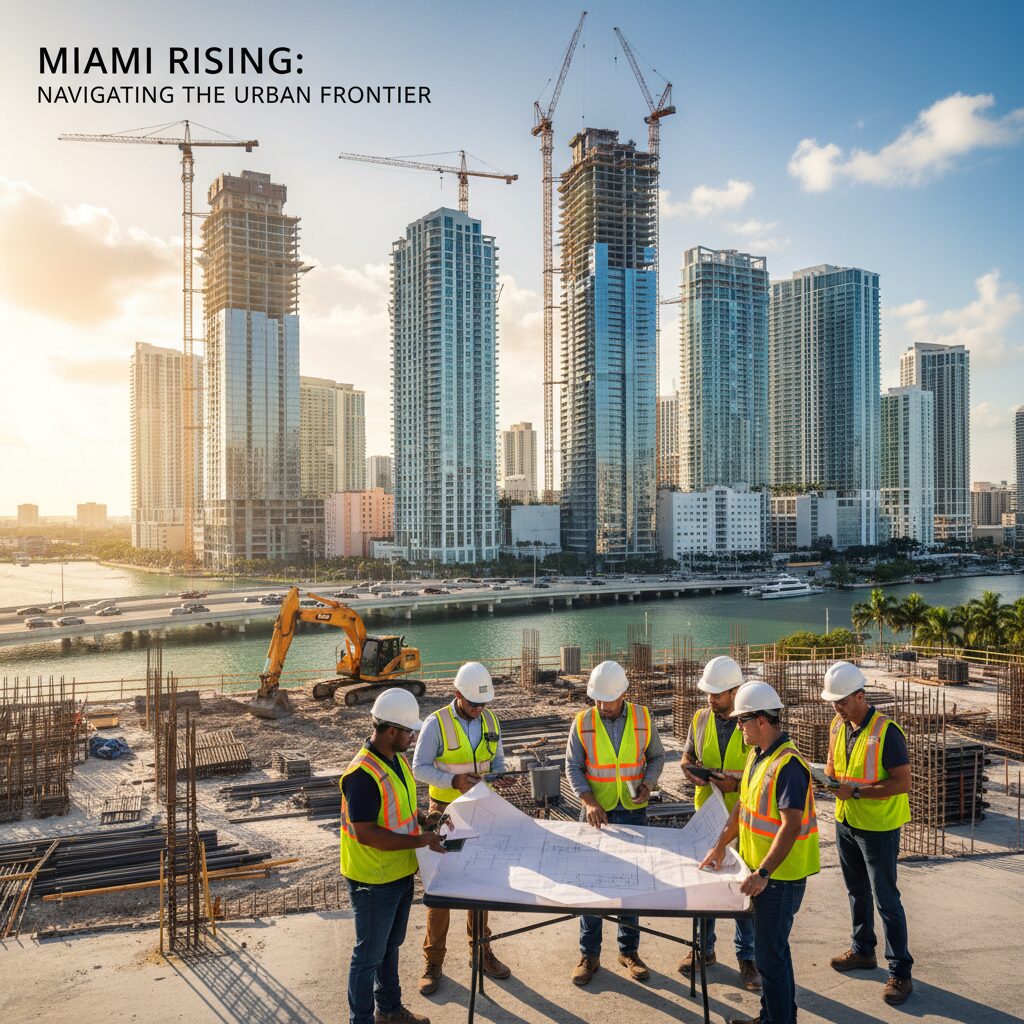
The relentless Florida sun isn’t the only thing heating up the Sunshine State. Construction is booming, especially across South Florida, from Miami’s skyline to the sprawling developments of Broward and Palm Beach counties. But with this growth comes a familiar challenge: navigating the complex web of building permits, inspections, and code compliance. For developers, contractors, and property owners, these processes can be a major source of frustration, causing project delays, budget overruns, and missed opportunities.
As we move deeper into 2025, these challenges are only intensifying. The Florida Building Code continues to evolve, local municipalities are grappling with increased workloads, and the demand for efficient, reliable permitting solutions is higher than ever. This is where private providers like Florida Private Providers (FPP) step in, offering a streamlined alternative to the traditional public sector approach. But are they truly the key to unlocking faster approvals and smoother project timelines? Let’s delve into the intricacies of Florida construction permitting and explore how private providers are reshaping the landscape.
This comprehensive guide will provide you with the insights and strategies you need to navigate the complexities of Florida construction permitting in 2025. We’ll explore the current challenges, decode the latest regulations, and reveal how private providers can help you achieve faster approvals, reduce risks, and maximize your return on investment. Whether you’re a seasoned developer or a first-time property owner, this article will equip you with the knowledge to conquer the permitting process and bring your projects to life, on time and within budget.
The Florida Permitting Puzzle: Unraveling the Challenges
Florida’s construction industry is a vital engine of the state’s economy, but its permitting processes are often criticized for being slow, inefficient, and unpredictable. Understanding the root causes of these problems is the first step towards finding effective solutions.
Permit Delays: A Costly Reality
Permit delays are a pervasive issue across Florida, impacting projects of all sizes. From small residential renovations to large-scale commercial developments, the waiting game can add weeks, months, or even years to project timelines. These delays translate directly into increased costs, including:
- Extended holding costs (loan interest, property taxes, insurance)
- Increased labor costs (due to idle crews or scheduling conflicts)
- Lost revenue opportunities (delayed openings, missed deadlines)
- Potential legal liabilities (breach of contract, penalties)
In South Florida, particularly in Miami-Dade, Broward, and Palm Beach counties, the sheer volume of construction activity puts immense pressure on local permitting departments. This leads to backlogs, longer review times, and increased scrutiny of permit applications. Staying up-to-date with your municipality’s specific requirements is crucial, but can be time-consuming. The FPP Advantages program can help you stay on top of these ever-changing local requirements.
Inspection Bottlenecks: Slowing Down Progress
Even after a permit is approved, the inspection process can present further hurdles. Scheduling inspections with municipal inspectors can be challenging, especially during peak construction seasons. Delays in inspections can halt progress on site, leading to further delays and cost overruns.
Moreover, inconsistencies in inspection standards and interpretations can create confusion and frustration. Contractors may find themselves facing conflicting directives from different inspectors, leading to rework and unnecessary expenses. Understanding the differences between municipal and private inspections can be a game-changer.
Common Inefficiencies: Wasted Time and Resources
Beyond delays and bottlenecks, Florida’s construction permitting process is often plagued by general inefficiencies, such as:
- Lack of transparency: Difficulty tracking permit status and obtaining updates.
- Communication breakdowns: Poor communication between applicants, reviewers, and inspectors.
- Redundant processes: Unnecessary paperwork and repetitive reviews.
- Inconsistent application of codes: Varying interpretations of the Florida Building Code across different jurisdictions.
These inefficiencies not only waste time and resources but also create uncertainty and frustration for all stakeholders. Addressing these issues requires a collaborative effort between government agencies, industry professionals, and private providers like Florida Private Providers.
Decoding Florida’s Construction Regulations: Navigating the 2025 Landscape
Staying abreast of the latest building codes, regulations, and timelines is essential for successful construction projects in Florida. The Florida Building Code (FBC) is the cornerstone of construction standards, and it undergoes regular updates to reflect advancements in technology, safety, and sustainability.
Florida Building Code Updates: What’s New in 2025?
The Florida Building Code is updated every three years, with the latest edition typically taking effect statewide. It’s crucial to understand the specific changes that apply to your project, as they can impact design, materials, and construction methods. Here are some areas to pay attention to:
- Energy efficiency: The FBC continues to emphasize energy conservation, with stricter requirements for insulation, windows, and HVAC systems.
- Wind resistance: Florida’s coastal regions are particularly vulnerable to hurricanes, so the FBC includes stringent wind resistance standards for buildings.
- Accessibility: The FBC incorporates accessibility requirements to ensure that buildings are usable by people with disabilities.
- Fire safety: Fire safety is a critical aspect of building design, and the FBC includes detailed provisions for fire detection, suppression, and containment.
Navigating these code updates can be challenging, especially for those unfamiliar with the intricacies of the FBC. Consulting with a qualified plan reviewer or code expert can help ensure that your project complies with all applicable requirements.
Understanding Permitting Timelines: Setting Realistic Expectations
One of the biggest challenges in Florida construction is managing expectations regarding permitting timelines. The actual time it takes to obtain a permit can vary widely depending on several factors, including:
- The complexity of the project
- The location of the project
- The workload of the local permitting department
- The completeness and accuracy of the permit application
While it’s difficult to predict exact timelines, it’s essential to set realistic expectations based on these factors. Researching typical permit processing times in your area and consulting with experienced contractors or private providers can help you develop a reasonable schedule. Understanding the process and staying organized is key to avoiding delays. If you have any questions about our processes, check out our FAQ page.
40/50-Year Recertification: Ensuring Structural Integrity
In Miami-Dade and Broward counties, buildings must undergo a recertification process after 40 years (and every 10 years thereafter) to ensure their structural integrity. This process involves a thorough inspection by a qualified engineer or architect, who assesses the condition of the building’s structural components and identifies any necessary repairs or renovations. The 40/50-year recertification is a critical requirement for maintaining the safety and longevity of buildings in South Florida. Private providers can assist with these inspections, ensuring compliance and peace of mind.
Private Providers: Your Partners in Permitting Success
In recent years, private providers have emerged as a valuable resource for navigating Florida’s complex construction permitting landscape. These firms offer a range of services designed to streamline the permitting process, reduce delays, and ensure code compliance.
How Private Providers Streamline the Permitting Process
Private providers like Florida Private Providers (FPP) offer several advantages over the traditional public sector approach to permitting:
- Faster plan reviews: Private providers typically offer faster turnaround times for plan reviews, helping to expedite the permitting process.
- Expert code knowledge: Private providers employ experienced plan reviewers and inspectors who possess in-depth knowledge of the Florida Building Code and local regulations.
- Personalized service: Private providers offer personalized service and attention to detail, working closely with clients to ensure that their projects meet all requirements.
- Improved communication: Private providers facilitate communication between applicants, reviewers, and inspectors, fostering a collaborative and efficient permitting process.
By leveraging these advantages, private providers can help you avoid costly delays, reduce risks, and bring your projects to completion more quickly and efficiently. To see how we can personally help, request a Proposal Request today.
Maximizing ROI with Private Provider Services
While hiring a private provider may involve an upfront cost, the potential return on investment (ROI) can be significant. By reducing delays, minimizing errors, and ensuring code compliance, private providers can help you save time, money, and resources in the long run. Here’s how:
- Reduced holding costs: Faster permit approvals translate into lower holding costs, freeing up capital for other investments.
- Minimized rework: Expert plan reviews and inspections help prevent costly rework and ensure that projects are built right the first time.
- Increased revenue: Faster project completion allows you to generate revenue sooner, maximizing your return on investment.
- Reduced risk: Code compliance and thorough inspections minimize the risk of legal liabilities and ensure the safety of your building.
Choosing the Right Private Provider: What to Look For
Selecting the right private provider is crucial for achieving your permitting goals. Here are some factors to consider when making your choice:
- Experience and expertise: Look for a provider with a proven track record of success and a team of experienced professionals.
- Accreditation and certifications: Ensure that the provider is properly accredited and certified to perform plan reviews and inspections in Florida.
- Reputation and references: Check the provider’s reputation and ask for references from past clients.
- Service offerings: Choose a provider that offers a comprehensive range of services to meet your specific needs.
- Communication and responsiveness: Select a provider that is responsive to your questions and provides clear, timely communication throughout the permitting process.
Florida Private Providers is committed to providing exceptional service and delivering results for our clients. Contact us today to learn more about our services and how we can help you achieve your construction goals. Our Services include plan review, building inspections, and permit expediting.
Expert Tips & Resources for Florida Construction Permitting
Navigating Florida’s construction permitting landscape requires more than just hiring a private provider. It also requires a proactive approach and a commitment to best practices. Here are some expert tips and resources to help you succeed:
Develop a Comprehensive Permitting Strategy
Before starting any construction project, it’s essential to develop a comprehensive permitting strategy that outlines your goals, timelines, and resources. This strategy should include:
- A detailed project scope: Clearly define the scope of your project, including all necessary permits and approvals.
- A realistic timeline: Develop a realistic timeline for obtaining permits, taking into account potential delays and bottlenecks.
- A budget for permitting costs: Allocate sufficient funds to cover all permitting fees and expenses.
- A communication plan: Establish a clear communication plan for keeping all stakeholders informed of progress.
Prepare a Complete and Accurate Permit Application
The completeness and accuracy of your permit application can significantly impact the speed of the permitting process. Make sure to:
- Gather all required documents: Collect all necessary plans, specifications, and supporting documents.
- Fill out the application form completely and accurately: Pay close attention to detail and avoid any errors or omissions.
- Submit the application in the required format: Follow the local permitting department’s instructions for submitting the application.
Build Relationships with Local Officials
Building relationships with local officials can be a valuable asset in navigating the permitting process. Attend local meetings, participate in community events, and get to know the people who make decisions about construction projects in your area. Building these relationships can help you gain insights into local priorities and build support for your projects.
Stay Informed of Regulatory Changes
The Florida Building Code and local regulations are constantly evolving, so it’s essential to stay informed of any changes that may impact your projects. Subscribe to industry newsletters, attend code updates seminars, and consult with qualified professionals to stay up-to-date on the latest requirements.
Mitigating Risks and Avoiding Costly Mistakes
Construction projects are inherently risky, but many risks can be mitigated through careful planning and execution. Here are some common risks to watch out for:
- Code violations: Ensure that your project complies with all applicable building codes and regulations.
- Construction defects: Hire qualified contractors and conduct thorough inspections to prevent construction defects.
- Permit delays: Develop a realistic timeline and take proactive steps to avoid delays.
- Budget overruns: Create a detailed budget and track expenses closely to avoid cost overruns.
By taking these precautions, you can minimize risks and ensure the success of your construction projects. If you need help mitigating risks, contact FPP to see how we can help.
Conclusion: Partnering for Permitting Success in Florida
Navigating Florida’s construction permitting landscape can be challenging, but it doesn’t have to be overwhelming. By understanding the current challenges, decoding the latest regulations, and partnering with experienced professionals like Florida Private Providers, you can streamline the permitting process, reduce risks, and maximize your return on investment.
As we move deeper into 2025, the demand for efficient, reliable permitting solutions will only continue to grow. Embracing innovative approaches and leveraging the expertise of private providers is essential for staying ahead of the curve and achieving your construction goals in the Sunshine State. Contact Florida Private Providers today to learn more about how we can help you conquer the permitting process and build your vision for the future.