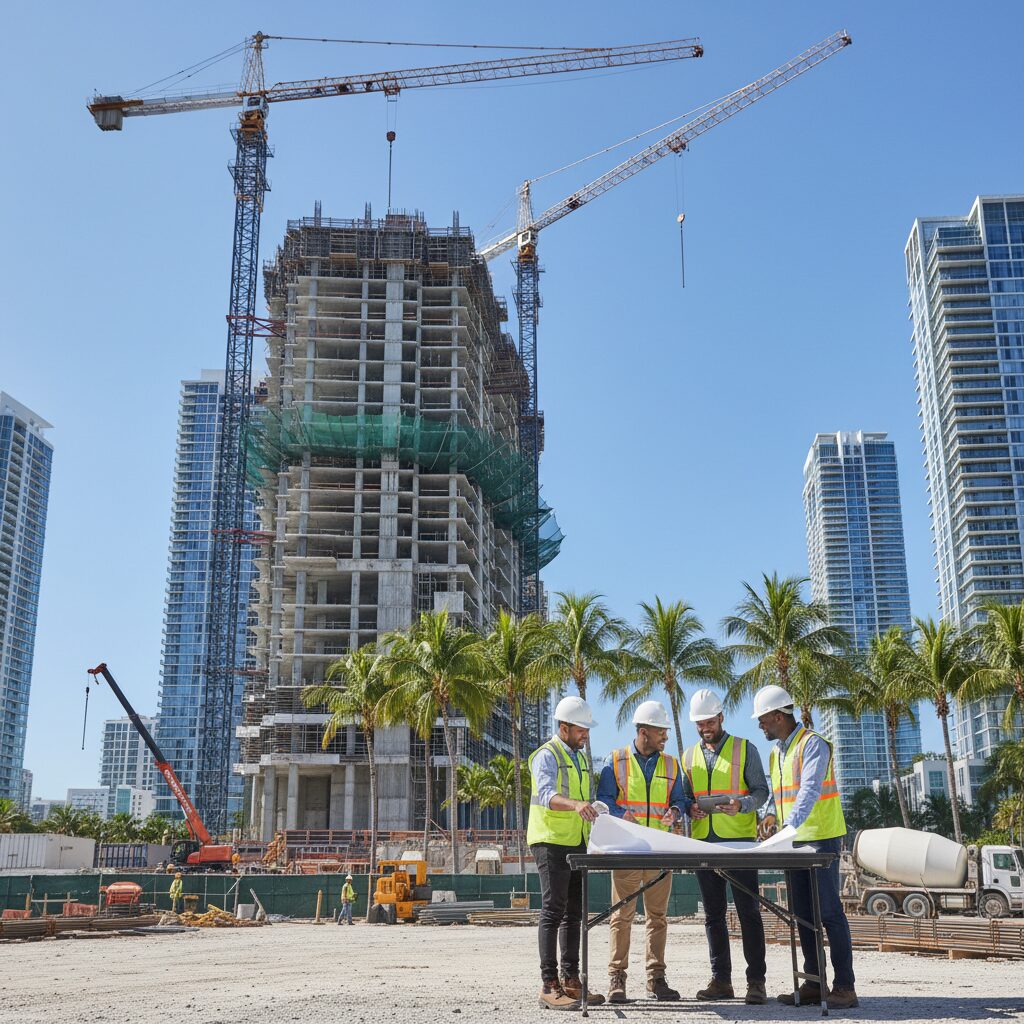
The Florida sun shines bright, but the path to getting a construction project off the ground in 2025 can be filled with shadows of red tape, delays, and ever-evolving regulations. For developers, contractors, and property owners across the Sunshine State, particularly in high-growth areas like Miami, navigating the complexities of building permits, inspections, and code compliance is a critical challenge. The stakes are high: project timelines, budgets, and ultimately, ROI hang in the balance. This is where the strategic use of private providers becomes not just an option, but a necessity for success.
As Florida continues to experience population growth and economic expansion, the demand for new construction and renovation projects is soaring. However, this surge in demand has strained the resources of local municipalities, leading to significant delays in permit approvals and inspections. These delays can translate into increased costs, missed deadlines, and frustrated stakeholders. In this environment, understanding how to leverage the expertise and efficiency of private providers is essential for anyone involved in the Florida construction industry.
This comprehensive guide will delve into the evolving landscape of Florida construction permitting in 2025, highlighting the key challenges and opportunities. We’ll explore the critical role that private providers play in streamlining the process, mitigating risks, and maximizing returns on investment. From navigating the latest Florida Building Code updates to understanding the nuances of local regulations in Miami-Dade, Broward, and Palm Beach counties, we’ll provide practical insights and actionable strategies to help you conquer the permitting challenges and bring your projects to fruition on time and within budget.
At Florida Private Providers (FPP), we understand the unique demands of the Florida construction market. Our team of experienced professionals is dedicated to providing comprehensive plan review, permitting, and inspection services that are tailored to the specific needs of your project. With a proven track record of success, we help our clients navigate the complexities of the regulatory landscape, accelerate project timelines, and achieve their construction goals. Learn more about our services and how we can help you streamline your next project.
The Florida Construction Permitting Puzzle: Unraveling the Challenges in 2025
The allure of building in Florida is undeniable, but the reality of navigating the state’s construction permitting process can quickly become a daunting puzzle. Several factors contribute to the challenges faced by developers, contractors, and property owners in 2025:
- Permit Delays: Municipalities are often overwhelmed with permit applications, leading to significant delays in review and approval times. This can push back project start dates, disrupt construction schedules, and increase carrying costs.
- Inspection Bottlenecks: Scheduling and completing inspections through municipal channels can be time-consuming and unpredictable. Delays in inspections can halt construction progress, leading to further delays and cost overruns.
- Evolving Regulations: The Florida Building Code is constantly evolving, with updates and amendments being implemented regularly. Keeping up with these changes and ensuring compliance can be a significant challenge.
- Local Variations: Permitting requirements and processes can vary significantly from one county or municipality to another. Understanding the specific regulations in your project’s location is crucial for avoiding delays and complications.
- Staffing Shortages: Many municipal building departments are facing staffing shortages, which further exacerbate permit delays and inspection bottlenecks.
These challenges can have a significant impact on project timelines and budgets. For example, a delay of just a few weeks in obtaining a building permit can result in thousands of dollars in additional costs, including:
- Increased financing costs
- Extended rental of equipment
- Labor cost increases
- Lost revenue opportunities
Moreover, delays can damage your reputation and affect your ability to secure future projects. In today’s competitive construction market, efficiency and speed are essential for success. To mitigate these risks and ensure project success, it’s crucial to understand the root causes of these challenges and implement effective strategies for overcoming them. Private providers offer a valuable solution for navigating these complexities and streamlining the permitting process.
Decoding Florida’s Building Codes and Regulatory Landscape in 2025
Navigating Florida’s building codes and regulatory landscape is a critical aspect of any construction project. The Florida Building Code (FBC) is a comprehensive set of regulations that govern the design, construction, and maintenance of buildings throughout the state. Understanding the FBC and staying up-to-date with the latest updates is essential for ensuring compliance and avoiding costly mistakes.
Key Updates to the Florida Building Code
The Florida Building Code is updated every three years, with the latest edition being the 8th Edition (2023), which went into effect on December 31, 2023. These updates incorporate the latest advancements in building technology, materials, and safety standards. Some of the key updates in the 8th Edition include:
- Energy Efficiency: Enhanced requirements for energy-efficient building design and construction, including stricter insulation standards, improved window and door performance, and more efficient HVAC systems.
- Hurricane Resistance: Updated provisions for wind load resistance, impact protection, and structural integrity to mitigate the effects of hurricanes and other severe weather events.
- Accessibility: Revised accessibility standards to ensure that buildings are accessible to people with disabilities, in accordance with the Americans with Disabilities Act (ADA).
- Fire Safety: Enhanced fire safety requirements, including updated fire alarm and sprinkler system standards, improved fire-resistant construction materials, and clearer emergency egress provisions.
40/50-Year Building Recertification
In Miami-Dade and Broward counties, buildings must undergo a recertification process when they reach 25 years of age, with subsequent inspections every 10 years thereafter. This recertification process ensures that buildings are structurally sound and safe for continued occupancy. The process involves a comprehensive inspection by a qualified engineer or architect, who will assess the building’s structural integrity, electrical systems, and other essential components. Any deficiencies identified during the inspection must be addressed to bring the building into compliance with current codes. This is especially important in older buildings and historical structures, where renovations and upgrades may be required to meet modern safety standards. Understanding the nuances of 40/50-year recertification is critical for property owners and managers to maintain the safety and value of their investments.
Local Permitting Variations in Miami-Dade, Broward, and Palm Beach
While the Florida Building Code provides a statewide framework for construction regulations, local jurisdictions may have their own specific requirements and processes. It’s essential to understand these local variations to ensure compliance and avoid delays. Here’s a brief overview of the permitting landscape in Miami-Dade, Broward, and Palm Beach counties:
- Miami-Dade County: Known for its stringent permitting requirements and complex review processes. The county is actively working to improve its permitting efficiency through the use of online portals and other technological solutions.
- Broward County: Offers a streamlined permitting process with a focus on customer service. The county provides online resources and support to help applicants navigate the permitting process.
- Palm Beach County: Emphasizes sustainable building practices and offers incentives for projects that incorporate green building principles. The county has implemented an electronic plan review system to expedite the permitting process.
Staying informed about these local variations and building strong relationships with local building officials can significantly improve your chances of obtaining permits quickly and efficiently. Private providers like FPP possess in-depth knowledge of these local nuances and can help you navigate the complexities of the permitting process.
Private Providers: Your Strategic Advantage in Florida Construction
In the face of increasing permitting challenges and regulatory complexities, private providers offer a strategic advantage for developers, contractors, and property owners in Florida. These firms, like Florida Private Providers, provide a range of services that can streamline the permitting process, accelerate project timelines, and maximize ROI.
How Private Providers Streamline the Permitting Process
Private providers can assist with various aspects of the permitting process, including:
- Plan Review: Conducting thorough plan reviews to ensure compliance with the Florida Building Code and local regulations. This can help identify potential issues early on, preventing costly revisions and delays later in the process.
- Permit Expediting: Navigating the permitting process on your behalf, working with local building officials to expedite the review and approval of your application.
- Inspections: Performing timely and efficient inspections to ensure that construction work meets the required standards. This can help avoid delays and ensure that your project stays on schedule.
- Code Compliance Consulting: Providing expert guidance on code compliance issues, helping you understand the requirements and develop strategies for meeting them.
Maximizing ROI with Private Providers
By streamlining the permitting process and accelerating project timelines, private providers can help you maximize your return on investment in several ways:
- Reduced Costs: Minimizing delays and avoiding costly revisions can significantly reduce project costs.
- Increased Revenue: Accelerating project completion allows you to generate revenue sooner.
- Improved Efficiency: Streamlining the permitting process frees up your time and resources to focus on other critical aspects of your project.
- Risk Mitigation: Ensuring code compliance and avoiding potential violations can protect you from costly fines and legal liabilities.
Consider a scenario where a developer is planning a multi-unit residential project in Miami. By engaging a private provider for plan review and permit expediting, the developer can potentially reduce the permitting timeline by several weeks, saving thousands of dollars in financing costs and accelerating the project’s revenue generation. This is just one example of how private providers can deliver significant value to construction projects in Florida.
The FPP Advantage: Speed, Efficiency, and Results
At Florida Private Providers, we are committed to providing our clients with the highest level of service and expertise. Our team of experienced professionals has a proven track record of success in navigating the complexities of the Florida permitting landscape. We offer a comprehensive suite of services tailored to the specific needs of your project. With FPP, you gain a partner dedicated to delivering speed, efficiency, and results. Get started by submitting a proposal request today.
Expert Tips and Resources for Florida Construction Permitting
Navigating the Florida construction permitting process can be challenging, but with the right knowledge and resources, you can increase your chances of success. Here are some expert tips and resources to help you streamline the process and mitigate risks:
Develop a Comprehensive Permitting Strategy
Before you even begin the design phase of your project, it’s essential to develop a comprehensive permitting strategy. This strategy should include:
- Identifying all required permits and approvals
- Researching local permitting requirements and processes
- Establishing a realistic timeline for obtaining permits
- Allocating sufficient budget for permitting fees and expenses
- Identifying potential challenges and developing mitigation strategies
Engage with Local Building Officials Early
Building strong relationships with local building officials can be invaluable in navigating the permitting process. Reach out to them early in the process to discuss your project and get their feedback on your plans. This can help you identify potential issues early on and avoid costly revisions later. Attending pre-application meetings and maintaining open communication throughout the process can also help expedite the review and approval of your application.
Utilize Technology to Streamline the Process
Many municipalities in Florida are now offering online permitting portals and electronic plan review systems. Take advantage of these technologies to streamline the permitting process and improve communication with building officials. These systems can help you track the progress of your application, submit documents electronically, and receive feedback from reviewers in real-time.
Conduct Thorough Due Diligence
Before you purchase a property or begin construction, it’s essential to conduct thorough due diligence to identify any potential permitting issues. This includes:
- Reviewing the property’s zoning designation and any applicable restrictions
- Checking for any outstanding violations or liens
- Investigating the property’s history of permitting and inspections
- Assessing the property’s environmental conditions
Stay Informed about Code Updates and Regulatory Changes
The Florida Building Code and local regulations are constantly evolving. Make sure you stay informed about the latest updates and changes by:
- Subscribing to industry publications and newsletters
- Attending industry conferences and workshops
- Following relevant government agencies and organizations on social media
- Consulting with experienced code compliance professionals
For additional questions, consult our FAQ page.
Conclusion: Partnering for Success in Florida Construction
Navigating the complexities of Florida construction permitting in 2025 requires a strategic approach, in-depth knowledge, and a commitment to efficiency. By understanding the challenges, staying informed about code updates, and leveraging the expertise of private providers like Florida Private Providers, you can streamline the process, mitigate risks, and maximize your ROI.
At FPP, we are dedicated to helping our clients achieve their construction goals by providing comprehensive plan review, permitting, and inspection services. Our team of experienced professionals is committed to delivering speed, efficiency, and results. Contact us today to learn more about how we can help you conquer the permitting challenges and bring your projects to fruition on time and within budget. Don’t let permitting delays hold you back. Partner with Florida Private Providers and experience the difference. Contact us today!