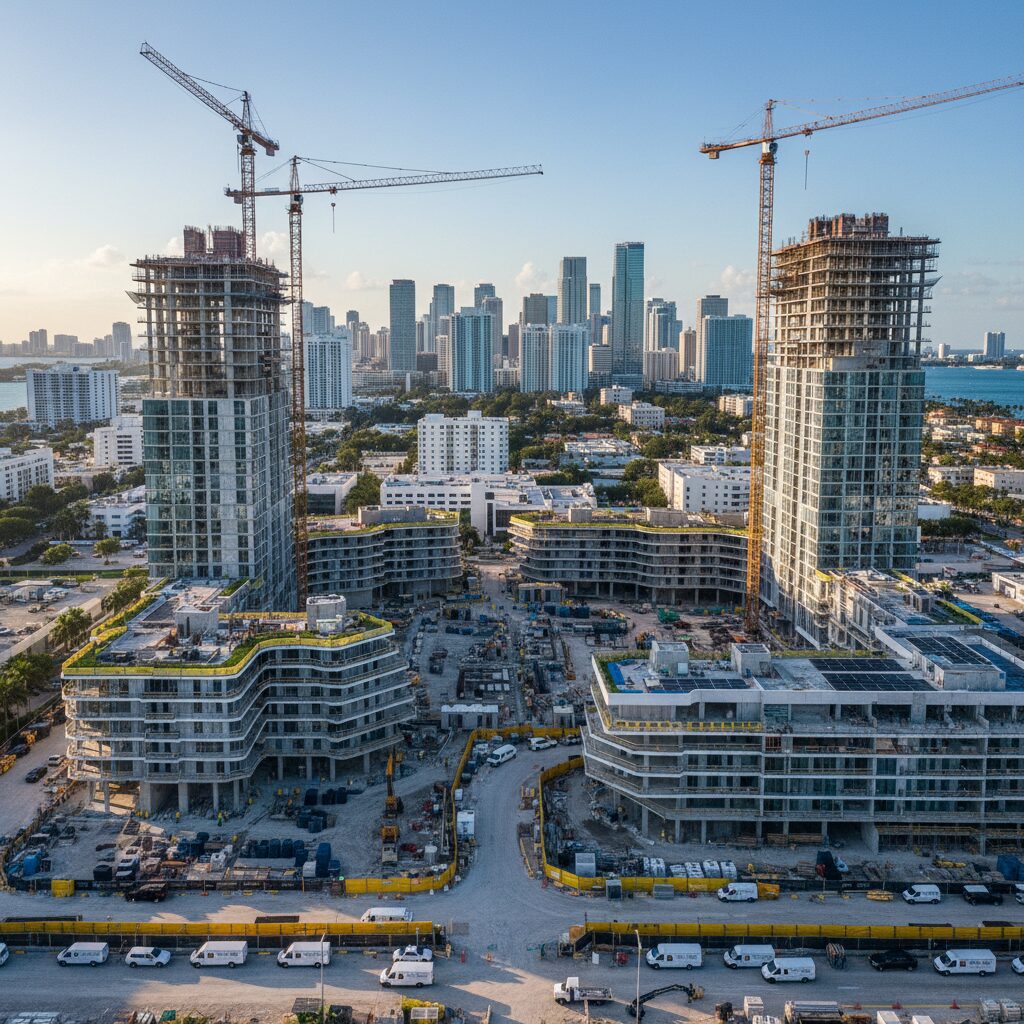
Florida’s construction industry is booming, but navigating the complexities of permitting, inspections, and code compliance can feel like wading through quicksand. As we move into 2025, developers, contractors, and property owners face increasing pressure to deliver projects on time and within budget. The Sunshine State’s unique regulatory landscape, coupled with rapid population growth and evolving building codes, demands a strategic approach to project management. This is where private providers step in, offering a streamlined alternative to traditional municipal processes. But are they just a faster option, or a smarter one? This article explores how leveraging private providers can optimize your Florida construction projects, mitigate risks, and ultimately, boost your bottom line in 2025. From understanding the latest Florida Building Code updates to navigating the intricacies of local permitting in Miami-Dade, Broward, and Palm Beach counties, we’ll provide you with the insights and strategies you need to build smarter in Florida.
The Florida Construction Conundrum: Bottlenecks, Delays, and Rising Costs
Anyone involved in Florida construction knows the drill: lengthy permit wait times, inspection bottlenecks, and the ever-present threat of costly delays. These challenges aren’t just minor inconveniences; they can significantly impact project timelines, budgets, and overall profitability. Across South Florida, from bustling Miami to the growing communities of Broward and Palm Beach counties, these issues are amplified by high demand and complex regulatory frameworks.
Permit Processing Paralysis
One of the most significant pain points is the permit approval process. Municipal building departments, often understaffed and overburdened, struggle to keep pace with the volume of applications. This can lead to weeks, even months, of waiting for plan reviews and approvals. For developers eager to break ground, these delays translate directly into increased holding costs, lost revenue opportunities, and potential setbacks in project completion. The ripple effect can impact subcontractors, suppliers, and ultimately, the end-users who are waiting for homes, offices, or retail spaces.
Inspection Inefficiencies
Even after permits are secured, the inspection process can present further hurdles. Coordinating inspections with municipal inspectors can be challenging, often requiring significant lead time and inflexible scheduling. Missed inspections or delays in sign-offs can stall progress, leading to further frustration and expense. Moreover, inconsistencies in interpretation of building codes can arise, creating uncertainty and potential rework. This is where understanding the services offered by private providers becomes invaluable.
The Cost of Inaction
The cumulative impact of these inefficiencies can be substantial. Project delays can trigger liquidated damages clauses in contracts, erode profit margins, and damage reputations. In a competitive market like South Florida, where speed and efficiency are paramount, these challenges can be a significant disadvantage. Ignoring these issues is not an option; proactive solutions are needed to navigate the complexities of the Florida construction landscape and ensure project success.
Decoding Florida’s Regulatory Landscape: Navigating the Shifting Sands of Building Codes and Timelines
Staying ahead in Florida construction requires a deep understanding of the state’s evolving regulatory landscape. The Florida Building Code (FBC) is the cornerstone of construction standards, undergoing regular updates to incorporate new technologies, safety measures, and best practices. Keeping abreast of these changes is crucial for ensuring compliance and avoiding costly errors. Additionally, local permitting requirements in Miami-Dade, Broward, and Palm Beach counties can vary, adding another layer of complexity to the process.
Florida Building Code 2025: What’s on the Horizon?
While the 2023 Florida Building Code is currently in effect, it’s essential to look ahead to the anticipated 2025 updates. While specific details are still emerging, industry experts anticipate continued emphasis on energy efficiency, resilience to extreme weather events, and accessibility standards. These updates may include stricter requirements for insulation, window performance, and structural design. Proactive contractors and developers are already familiarizing themselves with these potential changes to ensure their projects are future-proofed and compliant. Working with a knowledgeable private provider can offer significant FPP Advantages in understanding and implementing these evolving codes.
Understanding 40/50-Year Recertification
Another critical aspect of Florida’s regulatory landscape is the 40/50-year building recertification process. This requirement, applicable to buildings in Miami-Dade and Broward counties, mandates that older structures undergo thorough inspections to ensure their structural integrity and safety. Failing to comply with recertification requirements can result in significant fines and even building closures. Property owners and managers must proactively plan for these inspections and address any necessary repairs or upgrades to maintain compliance.
Local Permitting Nuances: Miami-Dade, Broward, and Palm Beach
While the Florida Building Code provides a statewide framework, local jurisdictions often have their own specific permitting requirements and procedures. Miami-Dade County, for example, has stringent regulations regarding hurricane resistance and coastal construction. Broward County may have specific requirements related to environmental protection and water management. Palm Beach County may focus on architectural design and community aesthetics. Navigating these local nuances requires a deep understanding of each jurisdiction’s unique rules and regulations. Engaging a local expert can help streamline the permitting process and avoid costly missteps.
Private Providers: Your Strategic Advantage in Florida Construction
In the face of these challenges, private providers offer a compelling solution for optimizing Florida construction projects. These third-party firms are authorized by the state to perform plan reviews, inspections, and other essential services, providing a faster, more efficient alternative to traditional municipal processes. By leveraging the expertise of private providers, developers, contractors, and property owners can streamline their projects, mitigate risks, and maximize their return on investment.
Expedited Plan Reviews: Cutting Through the Red Tape
One of the most significant benefits of using private providers is the ability to expedite plan reviews. Private firms often have shorter turnaround times than municipal building departments, allowing projects to move forward more quickly. This can be particularly valuable for time-sensitive projects or those facing tight deadlines. By outsourcing plan reviews to a qualified private provider, you can avoid lengthy delays and keep your project on track. The streamlined process offers a clear ROI improvement.
Flexible Inspection Scheduling: Minimizing Downtime
Private providers also offer greater flexibility in scheduling inspections. Unlike municipal inspectors, who may have limited availability, private providers can often accommodate your schedule and perform inspections at your convenience. This can minimize downtime and prevent delays in construction progress. Moreover, private providers may offer specialized inspection services tailored to your specific project needs. This flexibility ensures that your project stays on schedule and avoids costly disruptions.
Code Compliance Expertise: Avoiding Costly Errors
Private providers possess in-depth knowledge of the Florida Building Code and local permitting requirements. They can help you ensure that your project is fully compliant with all applicable regulations, minimizing the risk of costly errors or rework. By engaging a private provider early in the project planning phase, you can identify potential code compliance issues and address them proactively. This proactive approach can save you time, money, and headaches in the long run.
Risk Mitigation: Protecting Your Investment
By streamlining the permitting and inspection processes, private providers help mitigate risks associated with construction projects. They can identify potential problems early on, prevent costly delays, and ensure that your project meets all applicable safety and quality standards. This risk mitigation is particularly valuable in Florida, where construction projects are often subject to unique challenges such as hurricanes, flooding, and sinkholes. Partnering with a reputable private provider can provide peace of mind and protect your investment.
Expert Tips for Success: Maximizing ROI with Private Providers
To fully leverage the benefits of private providers, it’s essential to adopt a strategic approach. Here are some expert tips to help you maximize your return on investment and ensure a smooth, efficient construction process:
Do Your Homework: Choosing the Right Provider
Not all private providers are created equal. It’s crucial to carefully research and select a provider with a proven track record, qualified personnel, and a deep understanding of your specific project needs. Look for providers that are licensed, insured, and accredited by reputable organizations. Check references and reviews to gauge their reputation and customer satisfaction. A thorough vetting process will ensure that you partner with a reliable and trustworthy provider.
Engage Early: Integrating Private Providers into Project Planning
The earlier you engage a private provider in the project planning phase, the greater the benefits you’ll realize. By involving them from the outset, you can leverage their expertise to identify potential code compliance issues, optimize your design, and streamline the permitting process. Early engagement allows for proactive problem-solving and prevents costly rework down the line. Reach out for a Proposal Request to learn more.
Communicate Clearly: Maintaining Open Lines of Communication
Effective communication is essential for a successful partnership with a private provider. Maintain open lines of communication throughout the project, providing them with all necessary information and promptly addressing any questions or concerns. Regular communication will ensure that everyone is on the same page and that the project progresses smoothly. Clear communication fosters trust and collaboration, leading to better outcomes.
Leverage Technology: Embracing Digital Solutions
Many private providers utilize digital technologies to streamline the permitting and inspection processes. These technologies may include online portals for submitting applications, electronic plan review software, and mobile inspection apps. By embracing these digital solutions, you can further enhance efficiency and transparency. Digital tools facilitate collaboration, reduce paperwork, and provide real-time access to project information.
Conclusion: Building a Brighter Future with Florida Private Providers
As Florida’s construction industry continues to evolve, private providers are playing an increasingly vital role in optimizing project outcomes. By streamlining permitting, expediting inspections, and ensuring code compliance, these firms are helping developers, contractors, and property owners build smarter, faster, and more efficiently. In 2025, leveraging the expertise of private providers is no longer just an option; it’s a strategic imperative for success in the Sunshine State. Don’t let permitting delays and inspection bottlenecks hold you back. Contact Florida Private Providers today to discover how we can help you optimize your construction projects and achieve your business goals. Explore our FAQ to learn more about our services.