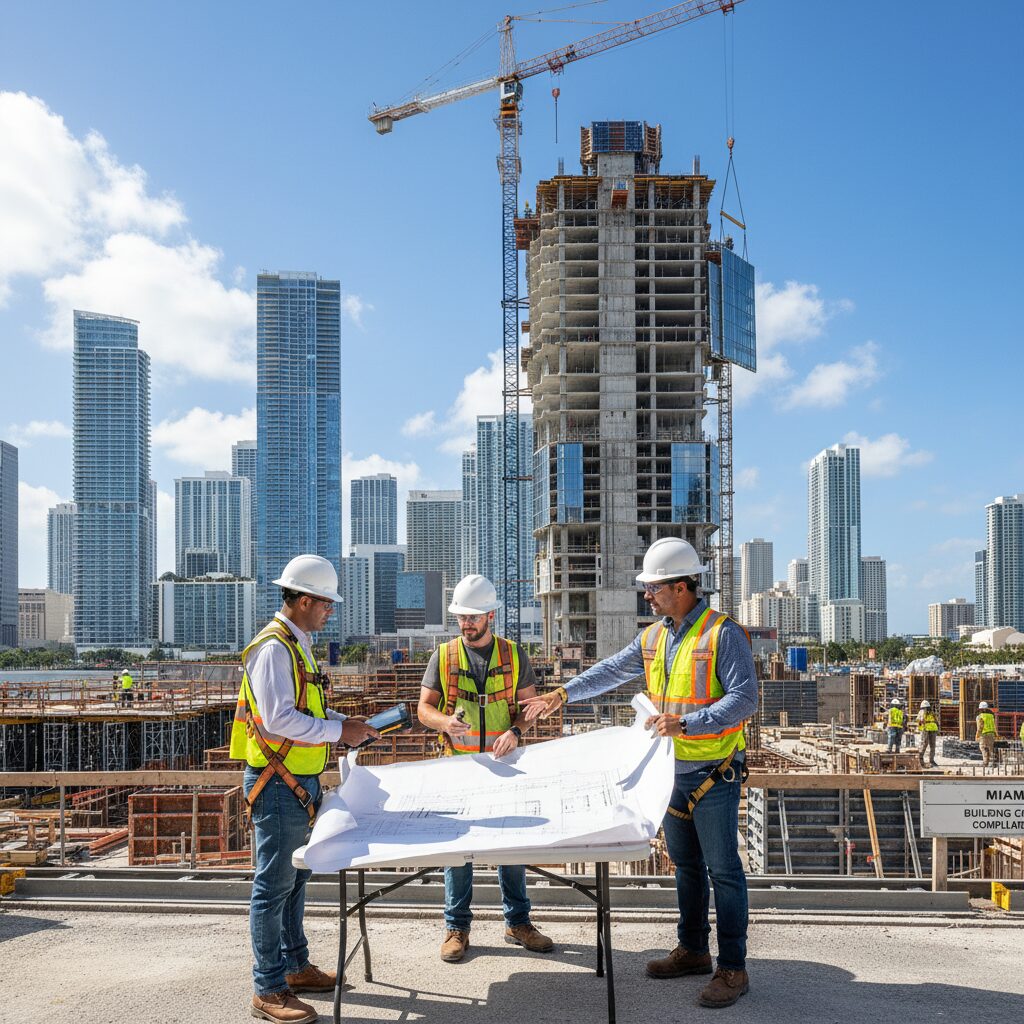
Florida’s construction landscape is dynamic, especially in high-growth areas like Miami, Broward, and Palm Beach. Staying ahead requires understanding not just the physical construction but also the complex web of building codes, permits, and inspections. As we move into 2025, navigating these processes efficiently is more critical than ever for developers, contractors, and property owners. Increased construction volume, coupled with evolving regulations and stricter enforcement, can lead to significant delays and cost overruns. This is where the strategic use of private providers becomes an invaluable asset.
This article delves into the challenges and opportunities presented by Florida’s evolving building codes, particularly focusing on how private providers are streamlining project timelines and ensuring compliance. We’ll explore recent changes, offer actionable insights, and showcase how Florida Private Providers (FPP) is helping clients across South Florida not just keep up, but get ahead.
The Shifting Sands: Understanding Florida’s Construction Permitting Challenges
The Florida construction industry is booming, but this growth brings significant challenges. Permit delays, inspection bottlenecks, and increasing regulatory complexities are common pain points that can derail projects and impact profitability. Let’s break down some of the key issues:
Permit Processing Delays
Municipal permitting offices in Miami-Dade, Broward, and Palm Beach are often overwhelmed with applications. This backlog leads to extended wait times for plan reviews and permit approvals. Projects can be stalled for weeks or even months, incurring additional costs and delaying revenue generation. Recent changes in municipal permit application processes, such as the push for online portals, aim to alleviate some of these delays, but adaptation and effective utilization are key.
Inspection Bottlenecks
Once a project is underway, scheduling and completing inspections can be another major hurdle. Overburdened municipal inspectors often have limited availability, leading to delays in critical project milestones. These bottlenecks can disrupt construction schedules and push back completion dates, resulting in financial losses and potential contractual penalties.
Florida Building Code Complexity
The Florida Building Code is a comprehensive set of regulations that is updated regularly. Keeping abreast of these changes is crucial for ensuring compliance and avoiding costly rework. The 8th Edition (2023) of the Florida Building Code, effective December 31, 2023, introduces new requirements and standards that developers and contractors must adhere to. Understanding and implementing these changes requires expertise and attention to detail. See our FAQ for more information.
Increased Regulatory Scrutiny
In recent years, there has been increased scrutiny of construction projects, particularly in light of high-profile building failures and safety concerns. This has led to stricter enforcement of building codes and more rigorous inspection processes. Failing to meet these heightened standards can result in project shutdowns, fines, and reputational damage.
Decoding the Code: Navigating Florida Building Code Updates in 2025
Staying compliant with the Florida Building Code is not merely a matter of ticking boxes; it’s about ensuring the safety, durability, and long-term value of your construction projects. Here’s what you need to know about navigating the latest updates and timelines:
Key Changes in the 8th Edition (2023)
The 8th Edition of the Florida Building Code introduces several significant changes across various disciplines, including structural, electrical, plumbing, and energy efficiency. Some notable updates include:
- Enhanced Wind Resistance Standards: Stricter requirements for wind load calculations and structural design to withstand hurricane-force winds, particularly in coastal areas.
- Improved Energy Efficiency Measures: Updates to energy conservation standards for building envelopes, HVAC systems, and lighting to reduce energy consumption and promote sustainability.
- Updated Accessibility Requirements: Revisions to accessibility standards to ensure compliance with the Americans with Disabilities Act (ADA) and create inclusive environments for all users.
- Fire Safety Enhancements: Modifications to fire protection systems, including sprinkler systems, fire alarms, and smoke control systems, to enhance fire safety and protect occupants.
Understanding Timelines and Enforcement
The effective date of the 8th Edition was December 31, 2023, meaning all new construction projects must comply with the updated code requirements. Municipalities are responsible for enforcing the code through plan reviews, inspections, and permitting processes. Failure to comply can result in project delays, fines, and legal liabilities.
40/50-Year Recertification Requirements
In Miami-Dade and Broward counties, buildings must undergo a recertification process once they reach 25 years of age, with subsequent inspections every 10 years. This process ensures that older buildings meet current safety standards and are structurally sound. The recertification process involves a comprehensive inspection by a qualified engineer or architect, who assesses the building’s structural, electrical, and life safety systems. Any deficiencies must be addressed to bring the building into compliance. This is especially relevant in South Florida, where a large percentage of buildings are reaching this age. FPP offers comprehensive recertification inspections.
Private Providers: Your Strategic Advantage in Florida’s Construction Landscape
In the face of increasing complexities and delays, private providers offer a streamlined alternative to traditional municipal permitting and inspection processes. By leveraging the expertise and efficiency of private providers like Florida Private Providers (FPP), developers, contractors, and property owners can expedite project timelines, reduce costs, and ensure compliance with building codes.
How Private Providers Streamline the Process
Private providers offer a range of services designed to streamline the construction permitting and inspection process, including:
- Expedited Plan Reviews: Private providers can conduct plan reviews more quickly than municipal offices, reducing wait times and accelerating the permit approval process.
- Flexible Inspection Scheduling: Private providers offer flexible inspection scheduling options, allowing projects to stay on track and avoid costly delays.
- Expert Code Consultation: Private providers possess in-depth knowledge of the Florida Building Code and can provide expert consultation to ensure compliance and avoid costly errors.
- Risk Mitigation Strategies: Private providers can identify potential risks and develop strategies to mitigate them, reducing the likelihood of project delays, fines, and legal liabilities.
Maximizing ROI with Florida Private Providers
Partnering with FPP offers several tangible benefits that can significantly improve your project’s ROI:
- Reduced Project Timelines: Expedited plan reviews and flexible inspection scheduling can shorten project timelines, allowing you to generate revenue sooner.
- Lower Costs: By avoiding delays and rework, you can reduce overall project costs and improve profitability.
- Enhanced Compliance: Expert code consultation ensures compliance with building codes, reducing the risk of fines, legal liabilities, and reputational damage.
- Improved Project Outcomes: Streamlined processes and expert guidance lead to better project outcomes and increased client satisfaction.
Local Case Studies: FPP Success Stories in South Florida
To illustrate the value of private providers, let’s examine a few real-world case studies from Miami, Broward, and Palm Beach counties:
Miami-Dade Commercial Development
A developer in Miami-Dade was facing significant delays in obtaining permits for a new commercial development. By engaging FPP for expedited plan reviews and inspections, they were able to reduce the permit approval timeline by several weeks, saving them tens of thousands of dollars in carrying costs and lost revenue. FPP’s expertise in navigating the Miami-Dade permitting process proved invaluable in keeping the project on track.
Broward County Residential Renovation
A homeowner in Broward County was undertaking a major residential renovation project. They were struggling to schedule inspections with the municipal inspector, causing delays and frustration. By hiring FPP for private inspections, they were able to schedule inspections at their convenience, ensuring that the project progressed smoothly and without delays. The homeowner also appreciated FPP’s thoroughness and attention to detail, which helped them identify and address potential code violations.
Palm Beach County Industrial Expansion
An industrial company in Palm Beach County was expanding its operations and needed to obtain permits for a new manufacturing facility. They were concerned about the complexity of the permitting process and the potential for delays. By partnering with FPP for comprehensive permitting services, they were able to navigate the process efficiently and obtain all necessary permits in a timely manner. FPP’s expertise in industrial construction and permitting proved essential to the success of the project. See the advantages of working with FPP.
Expert Tips & Resources for Florida Construction Professionals
To help you navigate the complexities of Florida’s construction landscape, here are some expert tips and resources:
Stay Informed About Code Updates
Regularly review the Florida Building Code and any updates or amendments issued by the Florida Building Commission. Subscribe to industry publications and attend training sessions to stay abreast of the latest changes.
Build Relationships with Permitting Officials
Establish strong relationships with permitting officials in your local municipality. Attend pre-application meetings and communicate openly and proactively to address any questions or concerns.
Conduct Thorough Due Diligence
Before starting any construction project, conduct thorough due diligence to identify potential risks and challenges. This includes reviewing site conditions, zoning regulations, and environmental requirements.
Develop a Comprehensive Permitting Strategy
Create a comprehensive permitting strategy that outlines all necessary permits, timelines, and responsibilities. Work closely with your design team and contractors to ensure that all permit requirements are met.
Consider Private Providers for Expedited Services
If you’re facing tight deadlines or complex permitting challenges, consider engaging a private provider like FPP for expedited plan reviews, inspections, and code consultation. Private providers can help you streamline the process and avoid costly delays.
Conclusion: Partnering for Success in Florida’s Construction Industry
In conclusion, navigating Florida’s evolving building codes and construction permitting processes requires expertise, diligence, and a strategic approach. By staying informed about code updates, building relationships with permitting officials, and considering private providers for expedited services, you can streamline project timelines, reduce costs, and ensure compliance with building codes.
Florida Private Providers (FPP) is committed to helping developers, contractors, and property owners succeed in Florida’s dynamic construction industry. Our team of experienced professionals offers a range of services designed to expedite project timelines, reduce costs, and ensure compliance with building codes. Contact us today to learn more about how we can help you achieve your construction goals.